detalji su jedini bitni..
call me when you come to split! i'm dying to meet u with someone special
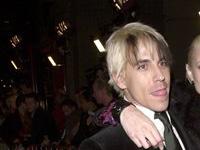
u jednon od prošlih postova san napisala da san na nagradnoj igri mtv adrie dobila novi album od peppersa, koji su btw, jedan od mojih najdražih bendova.
nisan bila uzbuđena. ne. nisan bila ni nestrpljiva u iščekivanju tog komada plastike u kojen se nalaze 2 plosnate, ciklične tvorevine univerzalno nazvane CeDe. i knjižica savršeno glatkih listova, koja, kad ju prislonite blizu nosnica, ima miris fabričkog rada, nove robe. ima miris iznenađenja. nisan bila nestrljiva. zapravo, uopće se ne može opisat to moje stanje koje je trajalo prošla 3 dana. vantjelesno iskustvo. mora da se o tome radi.
sinoć san CeDe primila u ruke. skakala san. čak je i prokleta suza radosnica potekla. euforija se mogla osjetit u cilon smrdljivon stanu. i uopće me nije bilo briga šta i ja smrdin i šta je barba celzij u prošlih tjedan dana naučija brojat do 40.
bili su važni samo mars & jupiter. mars & jupiter. mars & jupiter...
neću više okolišat. CeDe je smeće. toliko sam razočarana da mi dođe da anthonyja osobno nazoven i ogadin. ukurac, nije mi ostavija novi broj zadnji put kad smo bili na kavi. pizdun zaljubljeni! on bi se sad malo ženija i ima dicu. on sad više ne bi "puca" koku, ne bi jebava šta stigne. on bi sad tija postat obiteljski čovik.
e pa dragi anthony, ja, kao vjerna i istinska obožavateljica moran priznat da si me rastužija. jer, ne samo šta si se odlučija smirit, naime, donija si i odluku da muzika koju radiš će bit smeće. skupa, komercijalna, fino upakirana škovaca. i sad se tu nameće nemilo pitanje- da li ja, kao vjerna i istinska obožavateljica zavređujen takvu pokoru? zašto si mars pretvorija u preemotivno- kenkavo- soft- piece of shit- s laganin prizvukon funkyja- tvorevinu? zašto si od jupitera učinija govno koje je sve samo ne čvrsti i sirovi funky rock na kakvog si nas svih, tvoje vjerne i iskrene obožavatelje navika?
zašto?
anthony, znan da redovito čitaš moj blog, radi tebe i stavljan sve one textove na engleskome. doduše, naučila san te i nešto hrvatskoga, primjerice, da kad me vidiš kažeš: " kouja pisda!". ali, molila bih te- počni se opet drogirat na veliko, živit na rubu egzinstencije i utiravat mojo-a u neke druge, a ne samo u jednu. that's not your style! i aj, javi se kad dođeš opet u split, moran te upoznat s nekin!
nije lako bit nikola TESLA i živit u 19 stojeću..
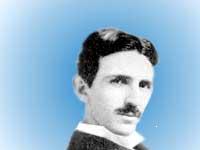
Hrvatski pronalazač, elektrotehničar i fizičar Nikola Tesla je rođen 9./10. srpnja 1856. godine u mjestu Smiljan kod Gospića. Porijeklom je iz srpske obitelji. Teslin otac Milutin bio je pravoslavni svećenik, a majka Georgina Mandić (zvana Đuka) neobrazovana ali veoma inteligentna žena. Nikola Tesla je bio sanjar s poetskom crtom, kako je sazrijevao svojim ranijim kvalitetama dodavao je samodisciplinu i želju za preciznošću. Tesla je pohađao njemačku osnovnu školu u Smiljanu, a istu je završio u Gospiću. Nakon toga upisao se u Nižu realnu gimnaziju u Rakovcu kod Karlovca. Baš kao i svako dijete slobodno vrijeme najviše je volio provoditi s prijateljima. No, uživao je u hvatanju ptica (ljubav prema pticama pratiće ga čitav život) i čitanju. U vrijeme puberteta volio se kartati ali tako zarađeni novac nikada nije nosio kući već ga je poklanjao drugima. Nakon završetka gimnazije Nikola se dvije godine nije školovao. Roditelji su na Nikolu vršili pritisak da postane svećenika ali on se tome protivio i upisao se na studij tehničkih znanosti u Grazu (Tehničko sveučilište). Kasnije će u Pragu studirati tehniku. Nakon završetka studija zaposlio se u telefonskom društvu i priključivao telefone po kućama.
Jedno vrijeme radio je kao inžinjer Telefonskog društva u Budimpešti. Nakon Budimpešte zaposlenik je Edisonove tvrtke (Continental Edison Company) u Parizu. Godine 1883. na zadatku u Strasbourgu izvan radnog vremena konstruira prvi indukcijski motor. Godinu dana kasnije - 1884. odlazi u Sjedinjene Države i postaje američki državljanin. U New York je stigao s četiri centa u džepu, nekoliko vlastitih pjesama i proračunima za leteći stroj. Prvo zaposlenje u Sjedinjenim Državama našao je ponovo u tvrtki Thomasa Edisona, ali se dva izumitelja nikako nisu mogla složiti u načinu rada, što je vodilo ka neizbježnom sukobu. U svibnju 1885., George Westinghouse, glava Westinghouse Electric Company iz Pittsburga kupuje prava na Teslin patent višefaznog sistema naizmjenično pokretnog dinama, transformatora i motora. Ta transakcija dovela je do velikog sukoba između Edisonovog direktnog sistema i Tesla-Westinghouseovog izmjeničnog pristupa u kojem je ovaj drugi odnio pobjedu. Tesla uskoro osniva vlastiti laboratorij u New Yorku 1887. gdje je radi do svoje smrti 1943. godine. Tada je napokon uspio izumiti elektro-magnetski motor koji će biti osnova svih strojeva koji se pokreću izmjenjivom strujom. Nastavio je stvarati važne izume kao što je npr. visokofrekventni elektricitet. U svom laboratoriju eksperimentirao je sa sjenografom, slično onome što je činio Wilhelm Röntgen kada je 1895. otkrio X-zrake. Pored toga radio je na svjetiljki s karobonskim dugmetom i različitim tipovima svjetla. Godine 1891. izumio je Teslin navoj, indukcijski navoj često korišten u radio tehnologiji. Dvije godine kasnije - 1893. u Chichagu je održan Expo, a izrada sistema osvjetljivanja povjerena je Tesli. Tesla je također predvodio i konstrukciju pogona hidrocentrale na Nijagarinim slapovima 1896. godine. Tesla je nastavio s novim izumima, kao što su bežični prijenos električne energije i radijsko upravljanje letjelicama. Također je osmislio preteče radara, iskorištavanje solarne energije, radio komunkaciju s drugim planetama itd.
U Colorado Springsu, gdje je boravio od svibnja 1899. do rane 1900., Tesla je došao do vjerovatno svog najvećeg otkrića - stacionarnih valova. Pomoću ovog otkrića dokazao je da Zemlja može poslužiti kao vodič i može reagirati kao glazbena viljuška na električne vibracije na određenoj frekvenciji. Također je upalio 200 žarulja koje nisu bile povezane žicom na udaljenosti od 40 kilometara, a koje su svaka pojedinačno osvijetljavale krug od 41 metra oko sebe. U to vrijeme bio je posve siguran da prima signale s druge planete, a zbog čega je bio ismijavan. Vraćajući se 1900. u New York Tesla je s kapitalom američkog financijera J. Pierre Pont Morgana od 150.000 USD započeo konstrukciju tornja koji bi bežičnim putem odašiljao signale. Tesla je tvrdio da je zajam osigurao tako što je 51 % prava na svoje patente na polju telefonije i telegrafije ustupio Morganu. Pomoću tog tornja želio je osigurati slanje slika, poruka, vremenskih prognoza i burzovnih izvještaja bežičnim putem. Projekt je napušten zbog financijske panike, problema s radnom snagom i Morganovim odustajanjem od projekta. To je bio najveći Teslin poraz. Tesla je tada svoj rad presumjerio na turbine i druge projekte. Zbog nedostatka novca njegove ideje su ostale u bilježnicama koje se još uvijek proučavaju. Godine 1917. Tesla je odlikovan Edisonovom medaljom, najvećim odlikovanjem Američkog instituta elektroinženjera.
Tesla je imao veoma mali broj bliskih prijatelja. Među njima bili su pisci Robert Underwood Johnson, Mark Twain i Francis Marion Crawford. U financijskim pitanjima bio je prilično nespretan i ekscentričan, vodio se kompulzivnošću. I među znanstvenicima i u javnosti pratila ga je reputacija samotnjaka i ekscentrika. Njegov ekscentrizam spriječavao ga je da ga ljudi slušaju i da ostvaruje zaradu od svojih izuma. Iako mu je bio potreban novac 1912. godine odbio je primiti Nobelovu nagradu iz fizike jer je tvrdio da njegov suprimatelj Thomas Edison nije pravi znanstvenik. Zadnje godine svog života proveo je hraneći golubove i živio je uglavnom od godišnjeg honorara iz svoje domovine. Imao je progresivni zametak fobije. Ali istovremeno je bio brilijantan znanstvenik koji je imao dara da praktično dokaže svoje hipoteze. Njegove špekulacije o ostvarenju komunikacije s drugim planetama, izjave da može razdijeliti Zemlju poput jabuke, kao i njegova tvrdnja da je izmislio smrtonosnu zraku koja može uništiti 10.000 aviona na udaljenosti od 400 km nailazile su na podsmijehe i kritike. No untač tomu Tesla se danas smatra jednim od najplodnijih genija u elektrotehnici. Velika Teslina zasluga je uvođenje izmjenične struje u široku uporabu. Njegovi izumi zasnivani na izmjeničnoj struji postali su temelj cijelom daljnjem razvoju elektrotehnike. Ostvario je oko tisuću pronalazaka i patenata - pronašao indukcijski motor, trofazni sustav za prijenos električne snage, generator i transformator za struje visoke frekvencije (Tesline struje) i dr. Tesla je bio također jedan od pionira radio-tehnike: otkrio je sustav za bežično upravljanje i davanje znakova na daljinu, pronašao je nov sustav osvjetljenja, konstruirao je visokofrekventne alternatore kao osnovu emisionih radio-stanica, proizveo je neprigušene elektromagnetske valove, otkrio je i patentirao princip rezonancije za radio-veze, izložio ideju o interplanetarnim telekomunikacijama pomoću ultrakratkih valova, a zamislio je u cjelini radarski sustav. Objavio je radove iz fizike u kojima je iznosio originalne ideje koje su se kasnije ostvarile. U čast stogodišnjice Teslina rođenja Međunarodna elektrokomisija nazvala je njegovim imenom jedinicu magnetske indukcije Tesla (znak - T). U Češkoj jedna tvornica žarulja nosi njegovo ime, dok u Hrvatskoj postoji tvrtka Nikola Tesla - Ericsson koja se prvenstveno bavi telefonijom.
U javnim glasilima povremeno se javljaju priče kako je Nikola Tesla osmislio neke izume koje nikada nije obznanio. Za te izume navodno se interesiraju poznate obavještane službe. Navodno je riječ o bežičnom prijenosu električne energije i mogućnosti da se materijalizirani objekti učine nevidljivima. Filmsku verziju ovog posljednjeg "pronalaska" možete vidjeti u filmu Philadelphia Express koji je navodno rađen prema istinitom događaju. Obzirom da je Tesla bio plodan pronalazač neke njegove pronalaske pokušavalo se pripisati drugim pronalazačima (Marconi itd.). Nikola Telsa je preminuo u New Yorku 7. siječnja 1943. godine u 87-oj godini života. Nakon Tesline smrti kovčezi u kojima se nalaze Teslini papiri, diplome i druge počasti, kao i njegove laboratorijske bilješke zapečačeni su. Neko vrijeme nalazili su se u vlasništvu Teslinog rođaka i jedinog nasljednika Save Kosanovića. On je kasnije svoje tako stečeno nasljedstvo poklonio gradu Beogradu, a u svrhu osnivanja muzeja Nikola Tesla.
Još nekoliko Teslinih umotvorina. hm... ženomrzac neki :)
"Uvijek sam mislio da žena ima one suptilne umne i duševne osobine koje su je činile nadmoćnijom u odnosu na muškarca. Ali, tankoćutna žena koju obožavam je sada nestala i ustupila mjesto ženi koja misli da je njen najveći cilj da što više liči na muškarca - u odijevanju, glasu i djelu. Svijet je iskusio mnoge tragedije, ali, po meni, najveća tragedija je sadašnja ekonomska situacija koja je ženu okrenula protiv muškarca i one u mnogo slučajeva uspijevaju zauzeti njegovo mjesto u poslu i industriji. Rastuća tendencija žene da zasjeni muškarca je znak propadanja civilizacije."
"Nikad ne vjeruj sjaju u očima žene! To je vjerovatno svjetlo što prodire kroz njenu šuplju glavu."
"Čovjek je rođen da radi, da trpi i da se bori; ko tako ne čini, mora propasti."
wanna be john frusciante?
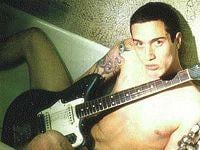
"dobar dan, ovdje mtv adria. obavještavamo vas da ste na nagradnoj igri osvojili novi album stadium arcadium od red hot chili peppersa. možete samo ponovit podatke da ne pošaljemo na krivu adresu?"
jeeeeeeeeeeeeeeeeeeeeeeeeeeeeeeeeeeeeeeeeee, WTF, am I a god damned lucky bastard or what??! prvi put igran nagradnu igru u kojoj želin nešto dobit, i osvojin to! i to taman kad san već bila zaboravila da san uopće sudjelovala jer su prošla 2-3 tjedna od tad. za ne povirovat!
sukladno tome, objavljujen biografiju mog najdražeg gitarista.
John Anthony Frusciante (March 5, 1970 – ) is the guitarist of the Californian band Red Hot Chili Peppers, with whom he has featured on five studio recordings (Mother's Milk, Blood Sugar Sex Magik, Californication, By The Way and Stadium Arcadium), two greatest hits packages (What Hits!? and Greatest Hits) and one live album (Live In Hyde Park). He also has an active solo career, having released eight albums as well as collaborations with friends Josh Klinghoffer of The Bicycle Thief and Joe Lally of Fugazi.
Childhood
Frusciante was born in Queens, New York, but he moved to Los Angeles at age 12. His father, John Frusciante, Sr., was a Juilliard-trained pianist, and his mother, Gail, was also a promising musician who gave up her career to become a homemaker. Gail would later lend her voice to the Red Hot Chili Peppers song, "Under the Bridge".
The Frusciante family would relocate to Tucson, Arizona and later Florida. After the separation of his parents, John and his mother would move to Santa Monica, California. John grew to adore punk music and listen to many of the bands and artists that would become influences in his musical career, artists such as Elton John, Jimi Hendrix, Captain Beefheart, and Frank Zappa.
John left high school at the age of 16 after taking a proficiency test with his parents' permission. Within two years he was playing lead guitar for the Red Hot Chili Peppers.
Red Hot Chili Peppers
John Frusciante first heard the Red Hot Chili Peppers song "Yertle the Turtle" off their second album, Freaky Styley, on a mixtape a classmate made for him in high school. He then saw the Chili Peppers in concert in 1985 and they instantly became his favorite band. John began to hero-worship Hillel Slovak, the original guitarist for the band, learning every guitar and bass part from their first three albums. Hillel, however, died from a heroin overdose in 1988 and drummer Jack Irons left the band due to personal problems. Bassist Flea and singer Anthony Kiedis eventually regrouped to continue with the band.
John had become good friends with D. H. Peligro (drummer for The Dead Kennedys) around 1988, and they often jammed together. One day, Peligro invited Flea to jam with them. Flea was so impressed by John's skill, and since he was looking for a new guitarist (their current replacement for Hillel, Duane "Blackbird" McKnight, was not working out for the band) he called Anthony Kiedis over to watch John play. It was a unanimous decision: John was in. John was about to sign a contract with Thelonious Monster at the time (and had actually been playing with them for two weeks), but Flea and Kiedis immediately fired McKnight and hired Frusciante. Drummer Chad Smith would join the band two weeks prior to recording their first record together.
Around this time, Frusciante also auditioned for Frank Zappa's band, but left before the final try-out due to Zappa's strict prohibition of illegal drug use amongst musicians in his band. In an interview, he said, "I realized that I wanted to be a rock star, do drugs and get girls, and that I wouldn't be able to do that if I was in Zappa's band."
When John was asked to join the Chili Peppers he was thrilled, claiming to have "boot marks five feet high on the wall in my room for months after that call."
Departure and solo career
After the massive success of Blood Sugar Sex Magik, Frusciante started to intensely dislike the popularity and status of the band. While at age 18, he enjoyed the band's hedonistic rock star lifestyle, Frusciante changed his attitude: "But by the age of 20, I started doing it right and looking at it as artistic expression instead of a way of partying and screwing a bunch of girls. To balance it out, I had to be extra-humble, extra-anti-rock star." He began intentionally disrupting performances by changing his style against the way the rest of the Peppers were playing, and had difficulty getting along with the other members.
Frusciante later expressed that the band's rise to popularity was "too high, too far, too soon. Everything happened or better everything seemed to be happening at once and I just couldn't cope with it." Following a Japanese concert performance on May 7th, 1992, Frusciante left the band.
By this time, he had developed steady drug habits as a result of touring with the band in the past 4 years, as both Kiedis and Flea had addictions of their own. Performing with them as a teenager, Frusciante was inspired to take drugs as he looked to the others as his role models, saying an interview, "The kids who smoked pot just seemed like burnouts to me. I was practicing ten to fifteen hours a day. But I never felt like I was expressing myself. When I found out Flea was stoned out of his mind at every show, that inspired me to be a pothead."
Upon leaving the band, Frusciante fell into a deep depression, unable to write music. For a time, he focused on painting and producing various 4-track recordings he had made during his time with the Chili Peppers. By shooting heroin, he felt able to progress with his life, more emotionally and spirtually connected to his music once again, and subsequently spiralled into a life-threatening four-year addiction.
In 2002, he remarked, “When I originally decided to become a drug addict, it was a clear decision,” he said. “I was very sad, and I was always happy when I was on drugs; therefore, I [thought I] should be on drugs all the time. I was never guilty — I was always really proud to be an addict.”
An infamous article published by the LA New Times in 1996 described in wrenching detail the decadent state John's life fallen into. Frusciante was described as "a skeleton covered in thin skin." At the height of his addictions, Frusciante was literally on the verge of death, having almost died earlier in the year due to a blood infection. His arms became scarred from improperly shooting heroin and cocaine into his arms, leaving permanent abcesses. The walls of his Hollywood Hills home were broken down and covered in graffiti, before an accidental fire would later burn it down. Frusciante told the reporter, "I don't care whether I live or die."
Johnny Depp and others once ventured to John's house and filmed a short documentary depicting the rather barren conditions in which John was living, along with Bob Forrest. The documentary was called "Stuff". -OVO SIGURNO NISI ZNA :p
Return
By 1997, Frusciante had decided to quit his drug addictions cold turkey, later entering a rehabilitation facility and beginning his full recovery. Part of his physical recuperation involved removing and replacing all of his teeth with dentures to avoid a lethal infection.
In the years following, he also began to live a more spiritual, ascetic lifestyle, changing his diet and practicing yoga. His attitude on taking drugs completely changed: "I don't need to take drugs. I feel so much more high all the time right now because of the type of momentum that a person can get going when you really dedicate yourself to something that you really love. I don't even consider doing them, they're completely silly. Between my dedication to trying to constantly be a better musician and eating my health foods and doing yoga, I feel so much more high that I did for the last few years of doing drugs."
Despite this harrowing experience, Frusciante has cited in several interviews that he does not view this time as a "dark period" in his life. “I don’t look at it like that. That was the period that I learned, when I got my mind straight about everything that I needed to know. I really value that period of time,” he said in one 2006 interview.
Musically, with the following albums he also began to move away from his guitar virtuoso influences, emphasizing new wave sounds, chord changes and tones over his previous stylistic work on hard rock and heavy metal solos. During Californication, Frusciante was influenced by musicans he had been listening to at the time, including Matthew Ashman from Bow Wow Wow and Joy Division's Bernard Sumner. For By the Way, he mentioned his desire to emulate guitar players such as The Durutti Column's Vini Reilly, Johnny Marr, John McGeoch, and XTC's Andy Partridge, or as he put it, "people with good chords."
His solo recordings
Niandra Lades and Usually Just a T-Shirt (1994)
Smile From the Streets You Hold (1997)
To Record Only Water for Ten Days (2001)
Shadows Collide With People (2004)
The Will to Death (2004)
Automatic Writing (2004)
Inside of Emptiness (2004)
A Sphere In The Heart Of Silence (2004)
Curtains (2005)
Guitars
Frusciante is known to use mostly vintage guitars, including:
Two 1940s Martin acoustics
1950s Gibson ES-335 Two Color Sunburst
1955 Gretsch White Falcon
1957 Fender Stratocaster Two Color Sunburst, maple fretboard
1960s Gibson SG Sunburst
1961 Fender Stratocaster Two Color Sunburst, rosewood fretboard
1961 Gibson SG Custom Cherry Red
1961 Fender Stratocaster, Olympic White, rosewood fretboard
1962 Fender Stratocaster, Three Color Sunburst, rosewood fretboard
1962 Fender Jaguar Fiesta Red
1963 Fender Custom Telecaster, rosewood fretboard
1965 Fender Custom Telecaster, rosewood fretboard
1965 Fender Duo-Sonic Olympic White, rosewood fretboard
1969 Fender Mustang Fiesta Red (Practice Guitar)
1969 Gibson Les Paul Black Beauty
Ibanez RG 250 DX (used during Mother's Milk)
Maton Messiah 12-string acoustic (which can be heard on "Breaking the Girl")
Mosrite St.George Gold 12-string electric
Fender Precision Bass Olympic White, rosewood fretboard
His 1955 Stratocaster was used in the recording of Blood Sugar Sex Magik, and the 1962 Stratocaster was given to him as a present by bandmate Anthony Kiedis after he returned to the band. He has also been seen playing a Gibson Les Paul Black Beauty guitar, mainly during the Red Hot Chili Peppers tour in 2004 for the cover song, "Black Cross", he also can be seen playing a Gibson SG Custom in the music video for "Fortune Faded".
John has been seen playing a Toronado in the video for "Can't Stop", although on a commentary audio track for the music video included on the DVD that accompanied the 2003 RHCP Greatest Hits album, John states that he only used the guitar for the video because the director asked him to.
As of 2006, John has been seen playing a number of different guitars in the Red Hot Chili Peppers' music video for "Dani California", involving the band paying tribute to several bands including The Beatles and Nirvana. Towards the end of the video, the band "become" themselves and John plays a white 1961 Fender Stratocaster, with its visible wear and tear. It is similar to a white Stratocaster Jimi Hendrix used, who is one of John's major influences.
John uses his beat up red Mustang to warm up before a concert. One of his original Jaguars was stolen back in the early '90s, though it is not certain if the blue or green one was stolen. John also has a white Fender Precision Bass, which is seen in the "Past Recedes" video. Most likely, it is a vintage pre-'65 P-Bass. Also visible in the video is a miniature acoustic.
Guest appearances
Kristen Vigard by Kristen Vigard (1988)
Anytime at All by Banyan (1999)
Rev by Perry Farrell (1999)
You Come and Go Like a Pop Song by The Bicycle Thief (1999)
Fishbone and the Familyhood Nextperience Present: The Psychotic Friends Nuttwerx by Fishbone (2000)
Blowback by Tricky (2001)
American IV: The Man Comes Around by Johnny Cash (2002)
Dragonfly by Ziggy Marley (2003)
De-Loused In The Comatorium by The Mars Volta (2003)
The Brown Bunny OST (2003)
A Manual Dexterity: Soundtrack Volume One by Omar Rodriguez-Lopez (2004)
Frances The Mute by The Mars Volta (2005)
Music For The Divine by Glenn Hughes (2006)
Ruffneck Blues by The CMA (2006)
Amputechture by The Mars Volta (2006)
Trivia
Previous girlfriends include Toni Oswald, actress Milla Jovovich and Stella Schnabel (his ex-fiancee, daughter of artist and film director Julian Schnabel) and who was featured on the cover of By The Way. He is currently dating singer Emily Kokal. John is a keen art collector, possessing works by Marcel Duchamp and Jean-Michel Basquiat.
John is a huge fan of legendary musician Frank Zappa and has said that his collection of Zappa records, which he is still trying to complete, is one of his most prized possessions.
John has two cats, Aztec and Maya.
The first song John ever wrote was called "Fuck You to Jose" when John got into a childhood fight during a baseball game. This was also the last time John has played a sport, according to him.
John is the godfather to Flea's daughter Sunny Bebop.
John has said that the only television shows that he likes are Curb Your Enthusiasm, The Simpsons The Office (UK tv series) and Chappelle's Show.
Exhibicionist koji je išao tankom linijom, koja razdvaja infantilost od ludila- SALVADOR DALI -najexcentričniji umjetnik 20. stoljeća. Izgubljen bez vodstva svoje supruge Gale i zaljubljen u novac..
Salvador Felip Jacint Dalí Domčnech (Catalan) Salvador Felipe Jacinto Dalí Domčnech (Spanish), (May 11, 1904 – January 23, 1989) was a Spanish artist who became one of the most important painters of the 20th century. He is best known for his surrealist work identified by its striking, bizarre, dreamlike images, combined with his excellent draftsmanship and painterly skills influenced by the Renaissance masters. An artist of great talent and imagination, he had a love of doing unusual things to draw attention to himself. This sometimes irked those who loved his art as much as it annoyed his critics, since his eccentric theatrical manner sometimes overshadowed his artwork in public attention.
Salvador Dalí was born on May 11, 1904, in the town of Figueres, in the Empordŕ region close to the French border, in Catalonia, Spain, son of the comfortably off middle-class notary Salvador Dalí i Cusí and Felipa Domenech Ferres. Dalí's father, a lawyer who was a strict disciplinarian, was tempered by his wife who encouraged her son's drawing. Dalí had an older brother, also named Salvador, who died prior to Dalí’s birth. At the age of five he was taken to his brother's grave and told by his parents that he was his brother reincarnate.[citation needed] He also had a sister, Ana María, who was 3 years younger than him.
Dalí attended Drawing School, where he first received formal art training. In 1916 Dalí discovered modern painting on a summer vacation to Cadaqués (in the nearby Costa Brava) with the family of Ramon Pichot, a local artist who made regular trips to Paris.
The next year Dalí's father organized an exhibition of his charcoal drawings in their family home. He had his first public exhibition at the Municipal Theater in Figueres in 1919. In 1921 Dalí’s mother died of cancer, when he was only 16 years old. After her death, Dalí’s father married the sister of his deceased wife; Dalí somewhat resented this marriage.
In 1922 Dalí moved in to the "Residencia de Estudiantes" (Students' Residence) in Madrid. There he met the artists Luis Buńuel and Federico García Lorca with whom he would become great friends whilst studying together at the San Fernando School of Fine Arts. Dalí already drew attention as an eccentric, wearing long hair and sideburns, coat, stockings and knee breeches in the fashion style of a century earlier. But his paintings, where he experimented with Cubism, got him the most attention from his fellow students (though in these earliest Cubist works he probably did not completely understand the movement, his only information on Cubist art having come from a few magazine articles and a catalogue given to him by Pichot, since there were no Cubist artists in Madrid at the time).
Dalí also experimented with Dada, which arguably influenced his work throughout his life. He became close friends with poet Federico García Lorca, with whom he might have become romantically involved, and with filmmaker Luis Buńuel at this time. Dalí was expelled from the Academy in 1926 shortly before his final exams when he stated that no one on the faculty was competent enough to examine him.
Dalí with fellow surrealist artist Man Ray in Paris on June 16, 1934, photographed by Carl Van VechtenThat same year he made his first visit to Paris, where he met with Pablo Picasso, whom young Dalí revered; the older artist had already heard favorable things about Dalí from Joan Miró. Dalí did a number of works heavily influenced by Picasso and Miró over the next few years, as he groped towards developing his own style. Some trends in Dalí's work that would continue throughout his life were already evident in the 1920s, however: Dalí omnivorously devoured influences of all styles of art he could find and then produced works ranging from the most academic classicism to the most cutting edge avant-garde, sometimes in separate works, and sometimes combined. Exhibitions of his works in Barcelona attracted much attention, and mixtures of praise and puzzled debate from critics.
La persistencia de la memoria by Salvador Dalí, 1931Dalí collaborated with Buńuel in 1929 on the short film Un chien andalou and met his muse and future wife, Gala, born Helena Dmitrievna Deluvina Diakonova, a Russian immigrant eleven years his senior who was then married to the surrealist poet Paul Eluard. In the same year, Dalí had important professional exhibitions and officially joined the Surrealist group in the Montparnasse quarter of Paris (although his work had already been heavily influenced by Surrealism for two years). The Surrealists hailed what Dalí called the Paranoiac-critical method of accessing the subconscious for greater artistic creativity.
In 1934 Dalí and Gala, having lived together since 1929, were married in a civil ceremony. They re-married in a Roman Catholic ceremony in 1958. The artist may have been bisexual.
Dream Caused by the Flight of a Bumblebee around a Pomegranate a Second Before Awakening, 1944In 1936 Dalí took part in the International Surrealist Exhibition. His lecture entitled Fantomes paranoiaques authentiques was delivered wearing a deep-sea diving suit.
Upon Francisco Franco's coming to power in the aftermath of the Spanish Civil War, Dalí came into conflict with his fellow Surrealists over political beliefs. As such Dalí was officially expelled from the predominantly Marxist Surrealist group. Dalí's response to his expulsion was "Surrealism is me." Andre Breton coined the anagram "Avida Dollars", by which he referred to Dalí after the period of his expulsion; the Surrealists henceforth would speak of Dalí in the past tense, as if he were dead. The surrealist movement and various members thereof (such as Ted Joans) would continue to issue extremely harsh polemics against Dalí until the time of his death and beyond.
As war started in Europe, Dalí and Gala moved to the United States in 1940, where they lived for eight years. In 1942 he published his entertaining autobiography, The Secret Life of Salvador Dalí.
He spent his remaining years back in his beloved Catalonia. The fact that he chose to live in Spain while it was ruled by Franco drew criticism from progressives and many other artists. As such, probably at least some of the common dismissal of Dalí's later works had more to do with politics than the actual merits of the works themselves. In 1959, Andre Breton asked Dalí to represent Spain in the Homage to Surrealism Exhibition, celebrating the Fortieth Anniversary of Surrealism, among the works of Joan Miró, Enrique Tábara, and Eugenio Granell.
In Voluptas Mors, 1951, photo by Philippe HalsmanLate in his career Dalí did not confine himself to painting but experimented with many unusual or novel media and processes; for example, he made bulletist works and claimed to have been the first to employ holography in an artistic manner. Several of his works incorporate optical illusions. In his later years, young artists like Andy Warhol proclaimed Dalí an important influence on pop art.
Dalí had a keen interest in natural science and mathematics. This is manifested in several of his paintings. Dalí was especially fascinated by DNA, and the hypercube (which is featured in the painting "Crucifixion (Corpus Hypercubus)").
In 1960 Dalí began work on the Teatre-Museu Gala Salvador Dalí in his home town of Figueres; it was his largest single project and the main focus of his energy through 1974. He continued to make additions through the mid 1980s. He found time, however, to design the Chupa Chups logo in 1969.
In 1982 King Juan Carlos of Spain bestowed on Dalí the title Marquis of Pubol, for which Dalí later paid him back by giving him a drawing (Head of Europa, which would turn out to be Dalí's final drawing), after the king visited him on his deathbed.
Gala died on June 10, 1982. After Gala's death, Dalí lost much of his will to live. He deliberately dehydrated himself—possibly as a suicide attempt, possibly in an attempt to put himself into a state of suspended animation, as he had read that some micro-organisms could do.
He moved from Figueres to the castle in Pubol which he had bought for Gala and was the site of her death. In 1984 a fire broke out in his bedroom under unclear circumstances—possibly a suicide attempt by Dalí, possibly a murder attempt by a greedy caretaker, possibly simple negligence by his staff—but in any case Dalí was rescued and returned to Figueres where a group of his friends, patrons, and fellow artists saw to it that he was comfortable living in his Theater-Museum for his final years.
Dali museum in Figueres.There have, however, been allegations that his guardians forced Dalí to sign blank canvases that would later (even after his death) be used and sold as originals.[8] As a result, art dealers tend to be wary of late works attributed to Dalí.
Salvador Dalí died of heart failure at Figueres on January 23, 1989, at the age of 84. He is buried in the crypt of his Teatro Museo in Figueres.
Ujević, Tin Ujević
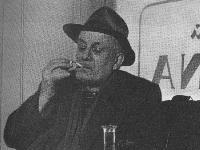
Došao veliki Tin Ujević u
«Gradsku kavanu» i na opće iznenađenje konobara
naruči kavu.
Konobar donese kavu, pogleda Tina upitno, što će
ovo značiti, kao da pita? Tin malo razmisli i
shvati upitan pogled konobara i pomirljivo reče: «
daj ti meni zamjeni ovu kavu za čašu vina.....» ,
odmah reče konobar i donese vino, uobičajeno piće
velikog Tina. Pjesnik popi svoje piće i krenu iz
kavane . Zaboravili ste platiti reče konobar.
Platiti?- upita Tin, pa vino, reče začuđeno
konobar, ali zamjenio sam kavu za vino reče Tin ,
pa platite kavu, reče konobar. Što da platim kad
nisam popio kavu reče Tin.
Došao Tin tako jednom u finu "gospodsku"
kavanu u Zagrebu i u svom boemskom stilu, u
klošarskom kaputu uđe i pokuša naručiti kavu, ali
ga konobar mrko odmjeri i zamoli da izađe jer da
takav ne može unutra. I vrati se Ujević drugi dan
u finom kaputu, prime ga s poštovanjem i naruči on
6 kava, konobar da što će mu 6, a on da će mu sad
doći prijatelji, i tako donio ovaj kave, a Ujević
pred njim jednu po jednu izlio u svojih 6 džepova
koliko ih je na kaputu imao. Zabezeknuti konobar
ga pita zašto to radi, a ovaj mu odgovori :
"Zato što ovdje ne pijem ja nego moj
kaput" i digne se i ode!
Čuvena anegdota vezana je za Tina Ujevića poznatog
po nekonvencionom ponašanju. Možda sebi ne bi
nikada kupio novo odijelo da ga konobari hotela
"Moskva" jednog dana zbog neurednosti
nisu izbacili iz restorana rekavši mu:
"Upristoji se, pa dođi." Ujević je kupio
bijelu košulju i frak, ali sakrivene u torbi,
ponio je i svoje stare stvari. Ušao je u hotel
lijepo odjeven i naručio odmah pet litara kuhane
rakije. U wc-u se presvukao i ponovo se pojavio u
uobičajenom izdanju sa frakom koji je potopio u
bokal sa rakijom, a zaprepaštenom konobaru
poručio: "E, a sad prodaj ovaj frak, pa
naplati piće".
WB Yeats
William Butler Yeats (1865-1939), Irish poet, dramatist and prose writer, one of the greatest English-language poets of the 20th century. Yeats received the Nobel Prize for Literature in 1923.
William Butler Yeats was born on June 13, 1865 in Dublin. His father was a lawyer turned Pre-Raphaelite painter. In 1867 the family followed him to London and settled in Bedford Park. In 1881 they returned to Dublin, where Yeats studied at the Metropolitan School of Art. Reincarnation, communication with the dead, mediums, supernatural systems and Oriental mysticism fascinated Yeats through his life. In 1886 Yeats formed the Dublin Lodge of the Hermetic Society.
As a writer Yeats made his debut in 1885, when he published his first poems in The Dublin University Review. In 1887 the family returned to Bedford Park, and Yeats devoted himself to writing. He visited Mme Blavatsky, the famous occultist, and joined the Esoteric Section of the Theosophical Society, but was later asked to resign. In 1889 Yeats met his great love, Maud Gonne (1866-1953), an actress and Irish revolutionary who became a major landmark in his life and imagination. However, she married in 1903 Major John MacBride, and this episode inspired Yeats's poem "No Second Troy".
Yeats was interested in folktales as a part of an exploration of national heritage and for the revival of Celtic identity. His study with George Russell and Douglas Hyde of Irish legends and tales was published in 1888 under the title Fairy and Folk Tales of the Irish Peasantry. Yeats assembled for children a less detailed version, Irish Fairy Tales, which appeared in 1892. The Wanderings Of Oisin And Other Poems (1889), took its subject from Irish mythology.
In 1896 Yeats returned to live permanently in his home country. He reformed the Irish Literary Society, and then the National Literary Society in Dublin, which aimed to promote the New Irish Library. In 1897 he met Isabella Augusta, Lady Gregory, with whom he founded the Irish Literary Theatre. Yeats worked as a director of the theatre to the end of his life, writing several plays for it. His most famous dramas were Cathleen Ni Houlihan (1902) and The Land Of Heart's Desire (1894).
In early 1917 Yeats bought Thoor Ballyle, a derelict Norman stone tower near Coole Park. After restoring it, the tower became his summer home and a central symbol in his later poetry. In 1917 he married Georgie Hyde-Lee. During their honeymoon Yeats's wife demonstrated her gift for automatic writing. Their collaborative notebooks formed the basis of A Vision (1925), a book of marriage therapy spiced with occultism.
In 1932 Yeats founded the Irish Academy of Letters and in 1933 he was briefly involved with the fascist Blueshirts in Dublin. In his final years Yeats worked on the last version of A Vision, which attempted to present a theory of the variation of human personality, and published The Oxford Book Of Verse (1936) and New Poems (1938).
Yeats died on January 28, 1939 at the Hôtel Idéal Séjour, in Menton, France.
Poetry
A Prayer For My Daughter
Aedh Wishes For The Clothes Of Heaven
Against Unworthy Praise
Baile And Aillinn
Broken Dreams
Easter, 1916
He Wishes For The Cloths Of Heaven
Her Praise
In the Seven Woods
King And No King
Lapis Lazuli
Leda And The Swan
No Second Troy
O Do Not Love Too Long
Politics
Sailing to Byzantium
Swift's Epitaph
The Arrow
The Black Tower
The Crucifixion Of The Outcast
The Dolls
The Everlasting Voices
The Fish
The Harp of Aengus
The Host Of The Air
The Hosting Of The Sidhe
The Lake Isle Of Innisfree
The Lover Tells Of The Rose In His Heart
The Mask
The Moods
The Old Age Of Queen Maeve
The Rose Tree
The Second Coming
The Secret Rose
The Seven Sages
The Shadowy Waters
The Song of the Happy Shepherd
The Stolen Child
The Three Beggars
The Tower
The Two Trees
The Wheel
The Wild Swans At Coole
The Wisdom Of The King
To A Young Beauty
To A Young Girl
To The Rose Upon The Rood Of Time
Towards Break Of Day
What Was Lost
When You Are Old
Famous Quotes
The land of faery,
Where nobody gets old and godly and grave,
Where nobody gets old and crafty and wise,
Where nobody gets old and bitter of tongue.
Life moves out of a red flare of dreams
Into a common light of common hours,
Until old age bring the red flare again.
I would mould a world of fire and dew
Land of Heart’s Desire,
Where beauty has no ebb, decay no flood,
But joy is wisdom, Time an endless song.
(Land of Heart’s Desire)
ŠEJN -- Haustor
Ja cijeli život sanjam kako odlazim uz rijeku
Starim parobrodom koji vozi sol
I da nosim jednu davnu, nikad prežaljenu ljubav
Tanku dugačku cigaru i par mamuza od zlata
Da sam Šejn
Život uz granicu je opasan i tvrd
Nek' moje ime ovde od sad znači pravda
Već čujem priču kako za mnom jaše smrt
Dok jasem crven pored vatri na rubu grada
To je Šejn ...
To je Šejn ...
Ja cijeli život sanjam kako odlazim uz rijeku
Starim parobrodom koji vozi skitnice na zapad
I da nosim jednu davnu, nikad prežaljenu ljubav
Tanku dugačku cigaru i par mamuza od zlata
Da sam Šejn
Da sam Šejn
Dok živim život koji nisam birao sam
O suhom vjetru s juga moja duša sanja
Ja čujem buku stada, vidim u daljini grad
A tanka slika jave postaje sve tanja
Ja znam da život na granici je opasan i tvrd
Al' moje ime ovdje od sad znači pravda
Na mome sivom konju sada sa mnom jaše smrt
Vodi me tamo gdje me moja davna draga već čeka
Izađi i bori se
U ovom gradu nema mjesta za jednog od nas
Izađi i bori se
Ulica je prazna, ali s prozora motre na nas
Izađi i bori se
Uzet ću ti život ako ostaneš - uzimam čast
To je Šejn ...
To je Šejn ...
Ja cijeli život sanjam kako odlazim uz rijeku
Starim parobrodom koji vozi sol
I da nosim jednu davnu, nikad prežaljenu ljubav
Tanku dugačku cigaru i par mamuza od zlata
Da sam Šejn
Salvador Dali- quotes
The problem of the youth of today' is that one is no longer part of it.
Drawing is the honesty of the art. There is no possibility of cheating. It is either good or bad.
When the creations of a genius collide with the mind of a layman, and produce an empty sound, there is little doubt as to which is at fault.
You have to systematically create confusion, it sets creativity free. Everything that is contradictory creates life.
People love mystery, and that is why they love my paintings.
When I paint, the sea roars. The others splash about in the bath.
One day it will have to be officially admitted that what we have christened reality is an even greater illusion than the world of dreams.
The desire to survive and the fear of death are artistic sentiments.
At the age of six I wanted to be a cook. At seven I wanted to be Napoleon. And my ambition has been growing steadily ever since.
Have no fear of perfection, you'll never reach it.
You know the worst thing is freedom. Freedom of any kind is the worst for creativity.
Those who do not want to imitate anything, produce nothing.
ELEONORA by Edgar Alan Poe
I am come of a race noted for vigor of fancy and ardor of passion. Men have called me mad; but the question is not yet settled, whether madness is or is not the loftiest intelligence- whether much that is glorious- whether all that is profound- does not spring from disease of thought- from moods of mind exalted at the expense of the general intellect. They who dream by day are cognizant of many things which escape those who dream only by night. In their gray visions they obtain glimpses of eternity, and thrill, in awakening, to find that they have been upon the verge of the great secret. In snatches, they learn something of the wisdom which is of good, and more of the mere knowledge which is of evil. They penetrate, however, rudderless or compassless into the vast ocean of the "light ineffable," and again, like the adventures of the Nubian geographer, "agressi sunt mare tenebrarum, quid in eo esset exploraturi."
We will say, then, that I am mad. I grant, at least, that there are two distinct conditions of my mental existence- the condition of a lucid reason, not to be disputed, and belonging to the memory of events forming the first epoch of my life- and a condition of shadow and doubt, appertaining to the present, and to the recollection of what constitutes the second great era of my being. Therefore, what I shall tell of the earlier period, believe; and to what I may relate of the later time, give only such credit as may seem due, or doubt it altogether, or, if doubt it ye cannot, then play unto its riddle the Oedipus.
She whom I loved in youth, and of whom I now pen calmly and distinctly these remembrances, was the sole daughter of the only sister of my mother long departed. Eleonora was the name of my cousin. We had always dwelled together, beneath a tropical sun, in the Valley of the Many-Colored Grass. No unguided footstep ever came upon that vale; for it lay away up among a range of giant hills that hung beetling around about it, shutting out the sunlight from its sweetest recesses. No path was trodden in its vicinity; and, to reach our happy home, there was need of putting back, with force, the foliage of many thousands of forest trees, and of crushing to death the glories of many millions of fragrant flowers. Thus it was that we lived all alone, knowing nothing of the world without the valley- I, and my cousin, and her mother.
From the dim regions beyond the mountains at the upper end of our encircled domain, there crept out a narrow and deep river, brighter than all save the eyes of Eleonora; and, winding stealthily about in mazy courses, it passed away, at length, through a shadowy gorge, among hills still dimmer than those whence it had issued. We called it the "River of Silence"; for there seemed to be a hushing influence in its flow. No murmur arose from its bed, and so gently it wandered along, that the pearly pebbles upon which we loved to gaze, far down within its bosom, stirred not at all, but lay in a motionless content, each in its own old station, shining on gloriously forever.
The margin of the river, and of the many dazzling rivulets that glided through devious ways into its channel, as well as the spaces that extended from the margins away down into the depths of the streams until they reached the bed of pebbles at the bottom,- these spots, not less than the whole surface of the valley, from the river to the mountains that girdled it in, were carpeted all by a soft green grass, thick, short, perfectly even, and vanilla-perfumed, but so besprinkled throughout with the yellow buttercup, the white daisy, the purple violet, and the ruby-red asphodel, that its exceeding beauty spoke to our hearts in loud tones, of the love and of the glory of God.
And, here and there, in groves about this grass, like wildernesses of dreams, sprang up fantastic trees, whose tall slender stems stood not upright, but slanted gracefully toward the light that peered at noon-day into the centre of the valley. Their mark was speckled with the vivid alternate splendor of ebony and silver, and was smoother than all save the cheeks of Eleonora; so that, but for the brilliant green of the huge leaves that spread from their summits in long, tremulous lines, dallying with the Zephyrs, one might have fancied them giant serpents of Syria doing homage to their sovereign the Sun.
Hand in hand about this valley, for fifteen years, roamed I with Eleonora before Love entered within our hearts. It was one evening at the close of the third lustrum of her life, and of the fourth of my own, that we sat, locked in each other's embrace, beneath the serpent-like trees, and looked down within the water of the River of Silence at our images therein. We spoke no words during the rest of that sweet day, and our words even upon the morrow were tremulous and few. We had drawn the God Eros from that wave, and now we felt that he had enkindled within us the fiery souls of our forefathers. The passions which had for centuries distinguished our race, came thronging with the fancies for which they had been equally noted, and together breathed a delirious bliss over the Valley of the Many-Colored Grass. A change fell upon all things. Strange, brilliant flowers, star-shaped, burn out upon the trees where no flowers had been known before. The tints of the green carpet deepened; and when, one by one, the white daisies shrank away, there sprang up in place of them, ten by ten of the ruby-red asphodel. And life arose in our paths; for the tall flamingo, hitherto unseen, with all gay glowing birds, flaunted his scarlet plumage before us. The golden and silver fish haunted the river, out of the bosom of which issued, little by little, a murmur that swelled, at length, into a lulling melody more divine than that of the harp of Aeolus-sweeter than all save the voice of Eleonora. And now, too, a voluminous cloud, which we had long watched in the regions of Hesper, floated out thence, all gorgeous in crimson and gold, and settling in peace above us, sank, day by day, lower and lower, until its edges rested upon the tops of the mountains, turning all their dimness into magnificence, and shutting us up, as if forever, within a magic prison-house of grandeur and of glory.
The loveliness of Eleonora was that of the Seraphim; but she was a maiden artless and innocent as the brief life she had led among the flowers. No guile disguised the fervor of love which animated her heart, and she examined with me its inmost recesses as we walked together in the Valley of the Many-Colored Grass, and discoursed of the mighty changes which had lately taken place therein.
At length, having spoken one day, in tears, of the last sad change which must befall Humanity, she thenceforward dwelt only upon this one sorrowful theme, interweaving it into all our converse, as, in the songs of the bard of Schiraz, the same images are found occurring, again and again, in every impressive variation of phrase.
She had seen that the finger of Death was upon her bosom- that, like the ephemeron, she had been made perfect in loveliness only to die; but the terrors of the grave to her lay solely in a consideration which she revealed to me, one evening at twilight, by the banks of the River of Silence. She grieved to think that, having entombed her in the Valley of the Many-Colored Grass, I would quit forever its happy recesses, transferring the love which now was so passionately her own to some maiden of the outer and everyday world. And, then and there, I threw myself hurriedly at the feet of Eleonora, and offered up a vow, to herself and to Heaven, that I would never bind myself in marriage to any daughter of Earth- that I would in no manner prove recreant to her dear memory, or to the memory of the devout affection with which she had blessed me. And I called the Mighty Ruler of the Universe to witness the pious solemnity of my vow. And the curse which I invoked of Him and of her, a saint in Helusion should I prove traitorous to that promise, involved a penalty the exceeding great horror of which will not permit me to make record of it here. And the bright eyes of Eleonora grew brighter at my words; and she sighed as if a deadly burthen had been taken from her breast; and she trembled and very bitterly wept; but she made acceptance of the vow, (for what was she but a child?) and it made easy to her the bed of her death. And she said to me, not many days afterward, tranquilly dying, that, because of what I had done for the comfort of her spirit she would watch over me in that spirit when departed, and, if so it were permitted her return to me visibly in the watches of the night; but, if this thing were, indeed, beyond the power of the souls in Paradise, that she would, at least, give me frequent indications of her presence, sighing upon me in the evening winds, or filling the air which I breathed with perfume from the censers of the angels. And, with these words upon her lips, she yielded up her innocent life, putting an end to the first epoch of my own.
Thus far I have faithfully said. But as I pass the barrier in Times path, formed by the death of my beloved, and proceed with the second era of my existence, I feel that a shadow gathers over my brain, and I mistrust the perfect sanity of the record. But let me on.- Years dragged themselves along heavily, and still I dwelled within the Valley of the Many-Colored Grass; but a second change had come upon all things. The star-shaped flowers shrank into the stems of the trees, and appeared no more. The tints of the green carpet faded; and, one by one, the ruby-red asphodels withered away; and there sprang up, in place of them, ten by ten, dark, eye-like violets, that writhed uneasily and were ever encumbered with dew. And Life departed from our paths; for the tall flamingo flaunted no longer his scarlet plumage before us, but flew sadly from the vale into the hills, with all the gay glowing birds that had arrived in his company. And the golden and silver fish swam down through the gorge at the lower end of our domain and bedecked the sweet river never again. And the lulling melody that had been softer than the wind-harp of Aeolus, and more divine than all save the voice of Eleonora, it died little by little away, in murmurs growing lower and lower, until the stream returned, at length, utterly, into the solemnity of its original silence. And then, lastly, the voluminous cloud uprose, and, abandoning the tops of the mountains to the dimness of old, fell back into the regions of Hesper, and took away all its manifold golden and gorgeous glories from the Valley of the Many-Colored Grass.
Yet the promises of Eleonora were not forgotten; for I heard the sounds of the swinging of the censers of the angels; and streams of a holy perfume floated ever and ever about the valley; and at lone hours, when my heart beat heavily, the winds that bathed my brow came unto me laden with soft sighs; and indistinct murmurs filled often the night air, and once- oh, but once only! I was awakened from a slumber, like the slumber of death, by the pressing of spiritual lips upon my own.
But the void within my heart refused, even thus, to be filled. I longed for the love which had before filled it to overflowing. At length the valley pained me through its memories of Eleonora, and I left it for ever for the vanities and the turbulent triumphs of the world.
I found myself within a strange city, where all things might have served to blot from recollection the sweet dreams I had dreamed so long in the Valley of the Many-Colored Grass. The pomps and pageantries of a stately court, and the mad clangor of arms, and the radiant loveliness of women, bewildered and intoxicated my brain. But as yet my soul had proved true to its vows, and the indications of the presence of Eleonora were still given me in the silent hours of the night. Suddenly these manifestations they ceased, and the world grew dark before mine eyes, and I stood aghast at the burning thoughts which possessed, at the terrible temptations which beset me; for there came from some far, far distant and unknown land, into the gay court of the king I served, a maiden to whose beauty my whole recreant heart yielded at once- at whose footstool I bowed down without a struggle, in the most ardent, in the most abject worship of love. What, indeed, was my passion for the young girl of the valley in comparison with the fervor, and the delirium, and the spirit-lifting ecstasy of adoration with which I poured out my whole soul in tears at the feet of the ethereal Ermengarde?- Oh, bright was the seraph Ermengarde! and in that knowledge I had room for none other.- Oh, divine was the angel Ermengarde! and as I looked down into the depths of her memorial eyes, I thought only of them- and of her.
I wedded;- nor dreaded the curse I had invoked; and its bitterness was not visited upon me. And once- but once again in the silence of the night; there came through my lattice the soft sighs which had forsaken me; and they modelled themselves into familiar and sweet voice, saying:
"Sleep in peace!- for the Spirit of Love reigneth and ruleth, and, in taking to thy passionate heart her who is Ermengarde, thou art absolved, for reasons which shall be made known to thee in Heaven, of thy vows unto Eleonora."
-- THE END --
...........
Dok ne izliječimo kurac,
ratujemo s Albanijom!
niko, niko
kao jaaa
09.06.2006. u 18:40 | 0 Komentara | Print | # | ^S kojeg ste drva pali?
Pronađi svoj rođendan i svoje drvo. Ovo je prilično zanimljivo i
prilično točno. Potječe od starog vjerovanja u keltskoj mitologiji.
Jan 01 - Jan 11 - Jela
Jan 12 - Jan 24 - Brijest
Jan 25 - Feb 03 - Platana
Feb 04 - Feb 08 - Topola
Feb 09 - Feb 18 - Smreka
Feb 19 - Feb 28 - Bor
Mar 01 - Mar 10 - Tužna vrba
Mar 11 - Mar 20 - Limun
Mar 21 - Hrast
Mar 22 - Mar 31 - Lješnjak
Apr 01 - Apr 10 - Mušmula
Apr 11 - Apr 20 - Javor
Apr 21 - Apr 30 - Orah
May 01 - May 14 - Topola
May 15 - May 24 - Kesten
May 25 - Jun 03 - Jasen
Jun 04 - Jun 13 -Žbun
Jun 14 - Jun 23 – Smokva
Jun 24 - Breza
Jun 25 - Jul 04 - Jabuka
Jul 05 - Jul 14 - Jela
Jul 15 - Jul 25 - Brijest
Jul 26 - Aug 04 - Platana
Aug 05 - Aug 13 - Topola
Aug 14 - Aug 23 - Smreka
Aug 24 - Sep 02 - Bor
Sep 03 - Sep 12 - Tužna vrba
Sep 13 - Sep 22 - Limun
Sep 23 - Maslina
Sep 24 - Oct 03 - Lješnjak
Oct 04 - Oct 13 - Mušmula
Oct 14 - Oct 23 - Javor
Oct 24 - Nov 11 - Orah
Nov 12 - Nov 21 - Kesten
Nov 22 - Dec 01 - Jasen
Dec 02 - Dec 11 - Žbun
Dec 12 - Dec 21 - Smokva
Dec 22 - Bukva
Dec 23 - Dec 31 - Jabuka
Jabuka (Ljubav) - obično vitki, karizmatični, dopadljivi i atraktivni, prijatne vanjštine, rado flertuju, avanturisti, čulni, uvijek zaljubljeni, vole i žele bit voljeni, vjerni, nježni, veoma širokogrudni, talenti za nauku, žive za danas, bezbrižni filozofi sa snagom dobrog izlaganja
Jasen (Ambicija) - neobično atraktivni, raduju se životu, impulsivni, poželjni, ne mare za kritiku, ambiciozni, inteligentni, talentirani, vole se igrati sudbinom, mogu biti egoisti, pouzdani, vjerni ljubavnici, ponekad im mozak vlada nad srcem, ali veze shvaćaju vrlo ozbiljno
Bukva (Kreativnost) - imaju izraženo dobar ukus, zabrinuti oko svog
izgleda, materijalisti, dobro organiziraju život i karijeru,
ekonomični, dobre vođe, ne ulaze u nepotrebne rizike, veličanstveni
životni partneri,vode računa da ostanu fit (dijete, sport, itd.)
Breza (Inspiracija) - raduju se životu, atratktivni, elegantni,
ljubazni, zadovoljni, ne vole ništa što je pretjerano, ne podnose vulgarnost, vole život u prirodi i miru, nisu pretjerano strastveni, prilično uobraženi, nedovoljno ambiciozni
Smreka (Sigurnost) - privlačni ljudi, vole luksuz, dobrog zdravlja,
pokazuju tendenciju da gledaju na druge sa visine, samouvjereni,
odlucni, nestrpljivi, vole imati utjecaja na druge, talentirani, optimisti, čekaju pravu ljubav, sposobni donositi brze odluke
Kesten (Iskrenost) - izrazito zgodni, ne vole pritisak, pravedni,
raduju se životu, rođeni diplomati, ali u drustvu osjetljivi, često
nesigurni u sebe, ponekad uobraženi, osjećaju se neshvaćenim, vole samo jednom, imaju problema u pronalaženju partnera
Platana (Vjernost) - jaki, mišićavi, odgovorni, uzimaju sve što im
život pruža, zadovoljni, optimisti, lakomi za novcem i priznanjima,
mrze usamljenost, strastveni ljubavnici kojima nikada nije dosta,
vjerni, uvredljivi, nestalni, pedantni i bezbrižni
Brijest (Plemenitnost) - dobrog izgleda, oblače se ukusno, kažu glasno što im ne odgovara, naginju tome da ne oprastaju tuđe greške, veseli, vole biti vođe, ali ne i da nekome pripadaju, vjerni i iskreni
partneri, donose odluke za druge, plemeniti, širokogrudi, veliki smisao za humor, praktični
Smokva (Osjećajnost) - veoma jaki, samovoljni, nezavisni , ne
dozvoljavaju protivljenje ili svađu, vole život, obitelj, djecu i životinje,pravi društveni leptirići, puni humora,vole besposličarenje i dokolicu, talentirani za praktično, inteligentni
Jela (Misterioznost) - puni ukusa, pošteni, obrazovani, vole sve sto
je lijepo, puni osjećaja, tvrdoglavi, egoistični ali se brinu za svoje bližnje, prilično zadovoljni, mnogo prijatelja ali i neprijatelja, veoma pouzdani
Lješnjak (Izuzetnost) - šarmantni, skromni, puni razumijevanja, znaju
ostaviti utisak, aktivni borci za socijanu pravdu, omiljeni,osjećajni,
komplicirani ljubavnici, iskreni, tolerantni partneri, pravedni
Žbun (Dobar ukus) - hladna ljepota, brinu se o svom izgledu i
kondiciji, dobar ukus, nisu egoisti, čine sebi život što je moguće
prijatnijim, vode discipliniran život, od partnera traže priznanje i
prijateljstvo, sanjaju o neobičnim ljubavnicima, rijetko su zadovoljni svojim osjećajima, ne vjeruju skoro nikome, uvijek su nesigurni u svoje vlastite odluke
Limun (Sumnja) - ono što život donosi prihvaćaju sa mukom, mrze
svađu, stres i posao, ne vole dosadu i udobnost, blagi su i
popustljivi, žrtvuju se za prijatelje, posjeduju mnogo talenta, ali nisu dovoljno ambiciozni da ih poboljšaju, stalno jadikuju i kritiziraju, ljubomorni ali vjerni
Javor (Nezavisnost) - neobične osobe, izražena moć izražavanja i
originalnost, bojažljivi i rezervirani, slavoljubivi, ponosni, sigurni u sebe, željni uvijek novih iskustva, ponekad nervozni, dobro pamćenje, lako uče, obično imaju komplicirani ljubavni život, vole utjecati na druge
Hrast (Hrabrost) - robusne prirode, jaki, nezavisni, nepopustljivi,
osjećajni, ne vole nikakve promjene, nogama uvijek na zemlji, drže se činjenica, jednostavno ne razmišljaju vec djeluju
Maslina (Mudrost) - vole sunce, toplinu, puni razumijevanja,
izbjegavaju agresivnost i nasilje, tolerantni, veseli, mirni, izražen
osjećaj za pravdu, osjetljivi, nisu ljubomorni, vole čitati i biti u
društvu obrazovanih ljudi
Bor (Izuzetnost) - vole prijatno društvo, veoma izdržljivi, znaju kako da učine život prijatnim, vrlo aktivni, prirodni, dobri pratioci, brzo se zaljubljuju, ali isto tako brzo gube interes, brzo odustaju, često mijenjaju dok ne nađu idealnog partnera kome vjeruju, pouzdani i praktični
Topola (Nesigurnost) - djeluju veoma dekorativno, nisu dovoljno
sigurni u sebe, razumni samo kada je neophodno, potrebna im je podrška i prijatno okruženje da bi se opustili i otvorili, vrlo probirljivi, često sami, jako nesigurni, umjetničke prirode, dobri organizatori, naginju filozofiranju, pouzdani u svakoj situaciji, veze shvaćaju ozbiljno
Mušmula (čulnost) - šarmantni, veseli, daju sve od sebe a pri tome
nisu egoisti, vole biti zapaženi, vole život, kretanje, nemir, čak i
krize, istovremeno zavisni i nezavisni, dobrog ukusa, umjetnici,
strastveni, naglašenih emocija, dobri pratioci, ne predaju se
Orah (Strast) - nezavisni, čudni i puni kontradikcije, često
egoistični, agresivni, velikodušni, obrazovani, neočekivano reagiraju, spontani, neograničeno slavoljublje i ambicija, nisu fleksibilni, teški i čudni partneri, drugi ih rijetko vole, ali im se često čude, dobri stratezi, vrlo ljubomorni i strastveni. Ne prave nikakve kompromise
Tužna vrba (Melankoličnost) - divni, ali puni melankolije,
atraktivni, veoma duhovni, vole sve što je lijepo i ukusno, vole
putovanja, sanjari, neumorni, komplicirani, iskreni, može se utjecati
na njih, ali je sa njima teško živjeti, poželjni, dobra intuicija, pate zbog ljubavi, ali ponekad pronađu partnera koji im daje oslonac
večeras
u 23.45 na 1. programu ti je na rubu znanosti, tema je mitologija.
mislila san da će te zanimat. bog
kaos
-svi mi imamo neke mušice
-ljudi su varijable, a ne konstante.različito se ponašaju u različitin uvjetima
-time marches on & love is blind
-to je bilo samo iskustvo podložno interpretacijama
Hvala im!

nisu mi roditelji rekli da život može ovako boljet.
nisu me učili da nisu svi ljudi dobri.
i na tome sam im vječno zahvalna.
jer sam imala prekrasno djetinjstvo.