25
utorak
studeni
2025
Display Interfaces: LVDS vs MIPI DSI vs eDP vs HDMI
Choosing the right display interface is a critical decision in embedded and industrial system design.
The interface you select affects image quality, refresh rate, power consumption, cable length, EMI performance,
and the overall BOM cost of your product. This article provides a clear comparison of the four most commonly
used display interfaces—LVDS, MIPI DSI, eDP, and HDMI—based on real engineering considerations.
For readers who want a broader overview of different TFT interface standards, you can also explore
this detailed collection of TFT display interface guides.
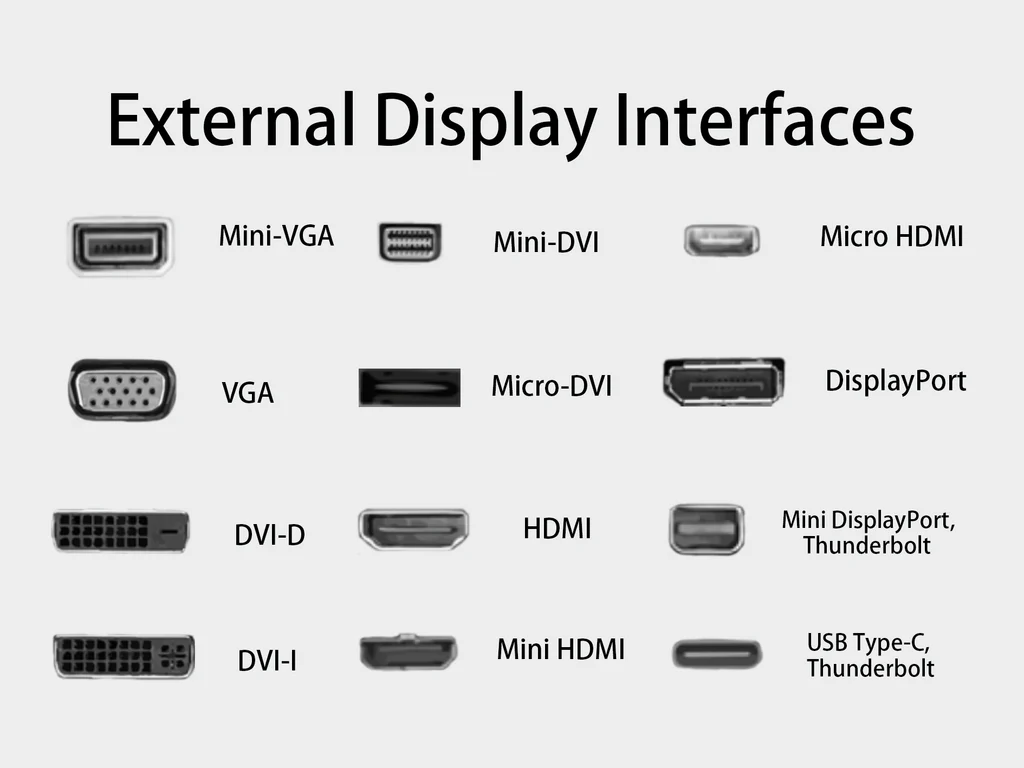
1. LVDS (Low-Voltage Differential Signaling)
Overview
LVDS is one of the longest-standing display interfaces in industrial applications. It transfers data using
differential signaling, which greatly reduces EMI and supports long cable distances compared with more
modern serialized display protocols.
Strengths
- Mature, stable, and widely supported in industrial SBCs and HMI devices.
- Excellent reliability over long cable lengths (up to 10 meters with proper cabling).
- Well suited for electrically noisy environments.
Limitations
- Fixed mapping makes it less flexible for evolving display resolutions.
- Requires more pins compared with serial interfaces like MIPI.
- Dual- or quad-channel LVDS is required for resolutions above 1080p.
Best For: Factory automation panels, medical displays, outdoor kiosks.
2. MIPI DSI (Mobile Industry Processor Interface – Display Serial Interface)
Overview
MIPI DSI was originally developed for smartphones and tablets, but it is now widely adopted in compact
embedded systems. It uses high-speed serial lanes with a low pin count.
Strengths
- Extremely low power consumption.
- High bandwidth supporting resolutions up to 4K with four lanes.
- Allows slim, flexible cable designs commonly used in handheld devices.
Limitations
- Short cable length limitations (typically less than 30 cm).
- Sensitive to EMI; requires proper shielding in industrial environments.
- Driver support varies across industrial SBC platforms.
Best For: Portable devices, compact HMIs, low-power IoT products.
3. eDP (Embedded DisplayPort)
Overview
eDP is a version of DisplayPort designed for internal display connections. It supports high-resolution
and high-refresh-rate displays, making it a strong choice for performance-oriented systems.
Strengths
- Supports extremely high resolutions, including 4K and 8K.
- Lower EMI and improved efficiency compared with HDMI.
- Can transmit audio and auxiliary data.
Limitations
- Cable length is shorter than LVDS (typically under 3 meters).
- Less common in older industrial embedded platforms.
Best For: AI vision systems, high-performance industrial PCs, medical workstations.
4. HDMI (High-Definition Multimedia Interface)
Overview
HDMI is the world’s most widely used consumer display interface. It supports both video and audio through
a single cable and is compatible with virtually all TVs and monitors.
Strengths
- Universal compatibility with retail displays.
- Supports hot-plugging and modern content protection (HDCP).
- Capable of resolutions up to 8K with HDMI 2.1.
Limitations
- Higher power consumption than LVDS or MIPI.
- Not optimized for internal displays due to connector size.
- Requires strong EMI shielding for industrial applications.
Best For: Digital signage, prototyping, external monitors.
5. Comparison Table
Before comparing the interfaces directly, understanding resolution and aspect ratio is helpful because
different interface technologies scale differently with pixel density.
For a deeper explanation, you can explore this guide on resolution and aspect ratio in TFT displays.
| Feature | LVDS | MIPI DSI | eDP | HDMI |
|---|---|---|---|---|
| Max Cable Length | 10m+ | <0.3m | <3m | 10m+ |
| Resolution Support | Up to 1080p (dual) | Up to 4K | Up to 8K | Up to 8K |
| Power Consumption | Medium | Low | Medium | High |
| EMI Resistance | High | Low | Medium-High | Medium |
| Cost | Low | Low–Medium | Medium | Low–Medium |
| Industrial Use | Excellent | Limited | Good | Limited |
6. Application Recommendations
Use LVDS when:
- You need long cable runs.
- The environment has high EMI.
- You require long-term stable industrial supply.
Use MIPI DSI when:
- Low power and compact cabling are priorities.
- Cable length can be kept short.
- Your device is battery powered.
Use eDP when:
- You need very high resolutions or fast refresh rates.
- The system design allows short internal cables.
- Your platform supports DisplayPort signaling.
Use HDMI when:
- The display is external or user-replaceable.
- You need compatibility with consumer monitors.
- You are prototyping or developing concept designs.
Additional Resource
For readers who want a broader overview of how these interfaces are used in embedded systems,
you can also check this Google page on display interfaces.
Final Thoughts
There is no single display interface that fits every embedded project. LVDS remains the preferred choice
for long-distance industrial applications, while MIPI DSI excels in portable and ultra-compact devices.
eDP is ideal for performance-oriented systems with high resolution requirements, and HDMI continues to
dominate applications involving external screens and general consumer displays.
Selecting the right interface early in your design process can prevent costly redesigns later and ensures that
the overall system performs efficiently throughout its lifecycle.
