Coffee Bag
17.11.2025., ponedjeljak
The Art and Science of Siphon Pot Coffee Brewing
The Art and Science of Siphon Pot Coffee Brewing: Mastering Vacuum Extraction for a Flawless CupIntroduction
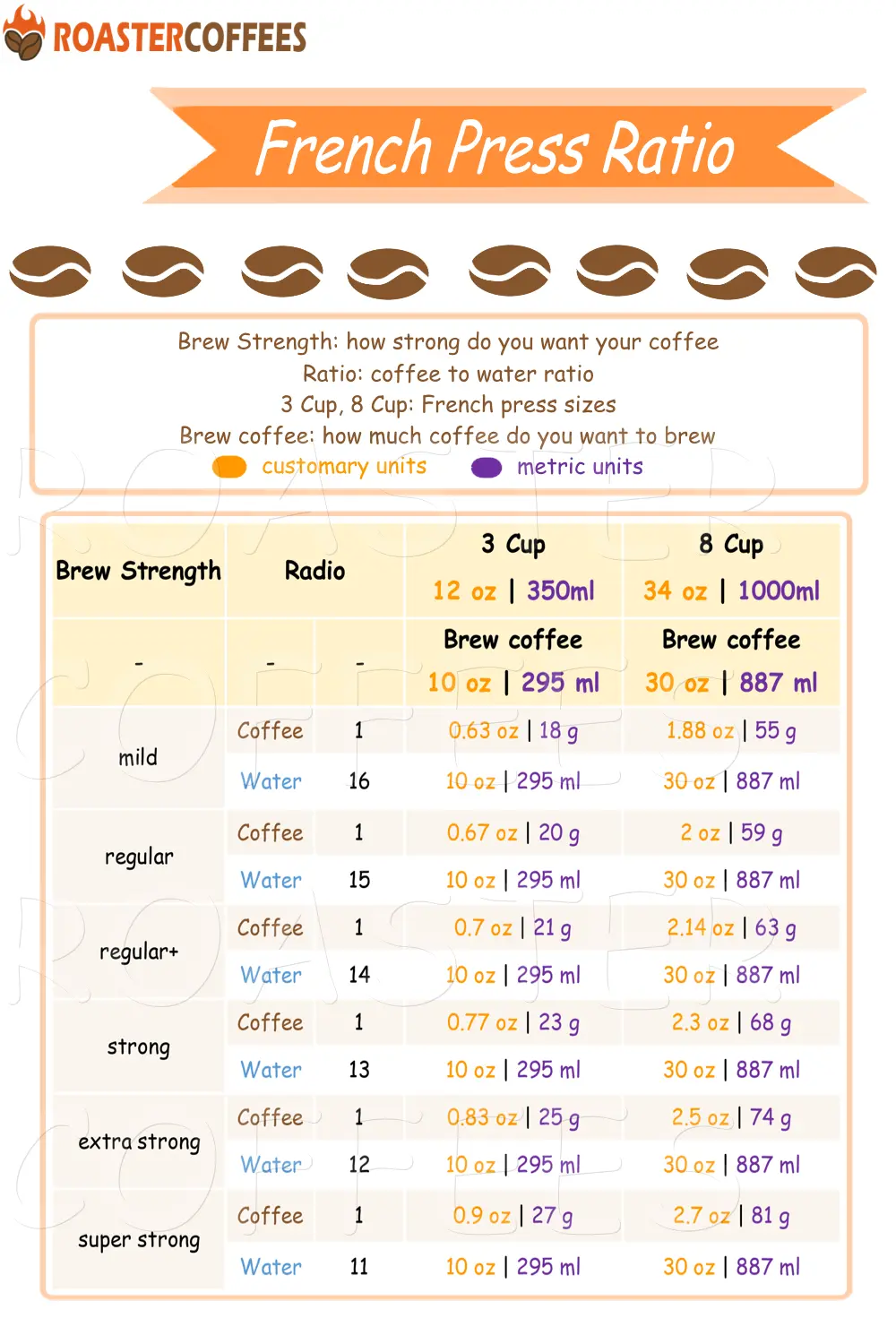
Few brewing methods in the world of coffee inspire as much fascination as the siphon pot, also known as the vacuum pot. Its theatrical appearance - two glass chambers, bubbling water vapor, rising liquid, and the sudden vacuum draw - makes it one of the most mesmerizing brewing techniques ever invented. To the uninitiated, siphon brewing may seem like a scientific experiment performed in a glass laboratory. To coffee professionals, however, the siphon is an intersection of physics, precision, craftsmanship, and sensory artistry. This brewing method is not just about visual flair; it is a technique capable of producing some of the cleanest, most aromatic, and most delicate cups in modern specialty coffee. Its unique physics-driven extraction amplifies clarity, heightens brightness, and captures volatile aromatic compounds that are often lost with other brewing methods. Coffee brewed using a siphon coffee maker - also known as a vacuum pot - offers a unique combination of immersion and filtration, producing a clean, aromatic cup with relatively consistent caffeine extraction. The caffeine content of siphon-brewed coffee depends on several variables, including grind size, coffee-to-water ratio, brew time, and bean variety. However, on average, an 8-ounce cup of siphon coffee contains 80–140 mg of caffeine, comparable to pour-over or drip coffee. The siphon method uses full immersion during the brewing phase, allowing coffee grounds to remain in constant contact with hot water - typically around 195–205°F (90–96°C). This temperature range is ideal for efficient caffeine extraction. Because the water is kept at a stable temperature through the heat source and the brew time is relatively controlled (usually 2–3 minutes of immersion), siphon brewing tends to extract caffeine more evenly than some manual methods. Grind size also influences caffeine levels. A medium grind is typically recommended for siphon brewing because it provides sufficient surface area for extraction without clogging the filter. A finer grind may increase caffeine extraction slightly but risks over-extraction and muddy flavors, while a coarser grind can lead to lower caffeine extraction and a weaker cup. Another factor influencing caffeine content is the coffee-to-water ratio. Siphon users often opt for a stronger ratio - around 1:15 - producing a fuller-bodied brew with higher caffeine concentration. Bean origin and variety also matter: Robusta beans yield more caffeine than Arabica, regardless of brewing method.
In this comprehensive guide, we explore the history, mechanics, sensory effects, brewing techniques, equipment essentials, and troubleshooting behind siphon coffee. Whether you are a professional barista or a home coffee enthusiast seeking mastery, this article will equip you with a deep understanding of the art and science behind vacuum pot brewing. 1. A Brief History of the Siphon Pot Siphon brewing dates back to the early 19th century, when curiosity, craftsmanship, and social ritual shaped the evolution of coffee technology. The European Origins The first known vacuum coffee maker patent was filed by Loeff of Berlin in 1830, with a second, more refined patent filed by Madame Jeanne Richard in France in 1840. These early devices were luxurious, ornate, and crafted from metal and glass - coffee brewing at this time was as much a display of refinement as it was a culinary act. The Rise in Japan Although Europe invented the siphon, Japan perfected it. Throughout the 20th century, Japanese coffee culture elevated siphon brewing to a disciplined art. Kissaten cafés - traditional Japanese coffee houses - became famous for treating siphon coffee as a ceremonial experience, with baristas performing meticulously choreographed movements. Modern Resurgence With the rise of specialty coffee in the early 2000s, siphon brewers once again captivated the global community. Today, siphon coffee is celebrated not only for its visual drama but for its unparalleled clarity and aromatic intensity. 2. How a Siphon Pot Works: The Physics of Vacuum Extraction Siphon brewing relies on three scientific principles: Vapor Pressure Vacuum Suction Controlled Temperature Stability Let’s break down what happens during the brew: Stage 1: Heating and Vapor Pressure As pressure increases, water is forced upward through a tube and into the upper chamber. Stage 2: Immersion Brewing Once all the water reaches the upper chamber, the brewing process begins. Coffee grounds mix with the water, extracting solubles evenly due to full immersion. Stage 3: Cooling and Vacuum Effect When heat is removed, vapor pressure drops rapidly, forming a strong vacuum. This vacuum pulls the brewed coffee back into the lower chamber through a filter. Why This Matters The use of vapor pressure and vacuum creates a closed, oxygen-limited system, allowing: Enhanced retention of aromatics Consistent brew temperature A clean extraction free from sediment A balanced cup with exceptional clarity This combination of pressure, vacuum, immersion, and filtration gives siphon coffee its signature taste: clean, crisp, aromatic, and nuanced.
3. The Sensory Experience: What Makes Siphon Coffee Unique? 1. Exceptional Aromatic Retention Because siphon brewing occurs in a closed chamber, volatile compounds - responsible for floral, fruity, and aromatic notes - are preserved. This results in an incredibly fragrant cup. 2. Clean but Full-Bodied The cloth or mesh filter removes fine sediment, producing a clean mouthfeel, but the immersion extraction still yields a round, full-bodied texture. 3. Elevated Acidity and Sweetness With stable temperature control and complete saturation of grounds, siphon brewing highlights: Bright acidity Structured sweetness Refined flavor clarity 4. Signature “Polished” Flavor Profile Siphon coffee is often described as: Smooth Velvety Transparent Elegant It is less forgiving than pour-over but more aromatic than drip, offering a cup that feels carefully engineered and intentionally crafted. 4. Equipment Overview: What You Need for Siphon Brewing To brew siphon coffee professionally, you need a complete setup: 1. Siphon Brewer (Vacuum Pot) Two main styles exist: Stovetop Siphon: metal bottom chamber, heat-resistant glass top Tabletop Siphon: full glass body, alcohol or halogen burner Popular brands include: Hario (Japan) Yama (Taiwan) Bodum (Denmark) 2. Heat Source Options include: Alcohol burner (most traditional; slow and elegant) Butane burner (faster, more precise) Halogen beam heater (professional cafés; extremely stable temperature control) 3. Filter Mechanism Siphon filters come in several types: Cloth filters (traditional + best clarity) Metal mesh (fuller body, slightly more sediment) Paper filters (very clean, bright cup) 4. Grinder A high-quality burr grinder is essential. Grind size should be medium - similar to table salt. 5. Scale and Timer Precision is non-negotiable. 6. Stirring Paddle Wood or plastic paddles prevent scratching the glass and allow controlled agitation. 7. Fresh, High-Quality Coffee Beans Light to medium roasts are ideal for siphon brewing, as they highlight delicate aromatics. 5. Step-by-Step Guide: Mastering the Siphon Brewing Technique Below is a professional brewing protocol used in specialty cafés. Ingredients 20–25 g coffee (medium grind) 300–350 g water (93–96°C / 199–205°F) Step 1: Preparation Soak the cloth filter for 5 minutes. Attach filter to the upper chamber. Fill the lower chamber with water. Set up the heat source. Step 2: Apply Heat Turn on your burner and heat the lower chamber until water ascends into the upper chamber. Leave a small amount of water bubbling in the bottom to maintain pressure. Step 3: Add Coffee When water is fully in the upper chamber: Add ground coffee Start timer Stir gently for 3–5 seconds Step 4: Brew Phase Total brew time is 45 seconds to 1 minute. Maintain gentle agitation - too much will over-extract. Step 5: Remove Heat Once brewing is complete, extinguish the flame. The vacuum process begins instantly. Watch as the brewed coffee descends gracefully into the lower chamber. Step 6: Serve and Enjoy Decant into a preheated cup. Observe the clarity, aroma, and shimmering surface of the brew.
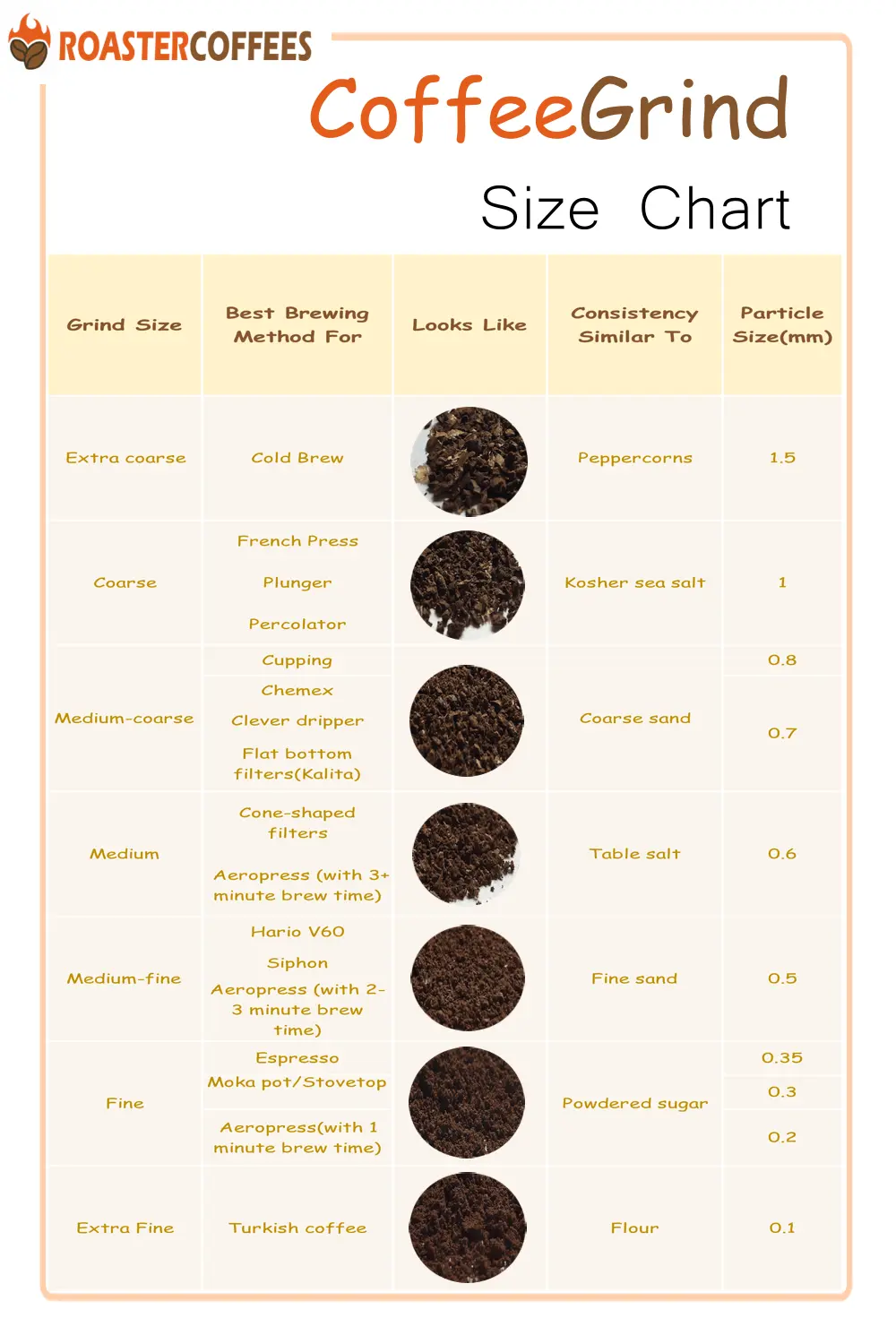
6. Choosing the Right Coffee Beans for Siphon Siphon brewing reveals nuance, so the beans matter - immensely. Best Roast Levels Light Roast: floral, tea-like, citrusy, aromatic Medium Roast: balanced, sweet, chocolate and fruit notes Dark roasts are rarely ideal; they produce overpowering bitterness in siphon extraction. Best Origin Profiles Ethiopia (Washed/ Natural) Bergamot, jasmine, blueberry, lemon Kenya (Washed) Bright acidity, blackcurrant, grapefruit Panama Geisha Exceptional aromatic complexity Colombia (Washed/ Honey) Balanced sweetness, caramel, fruit Why These Beans Work Siphon brewing highlights acidity, aromatics, and sweetness - qualities most expressed in high-quality Arabica beans with vibrant terroir character. 7. Common Brewing Mistakes and How to Fix Them Even seasoned baristas can face challenges with siphon brewing. Here’s how to troubleshoot. Problem 1: Bitter or Over-Extracted Coffee Cause: Water too hot Excessive agitation Overly fine grind Fix: Lower heat during brewing Stir only once or twice Coarsen your grind Problem 2: Sour or Under-Extracted Coffee Cause: Too coarse grind Low brewing temperature Too short brew time Fix: Fine the grind slightly Increase heat Extend brew time by 5–10 seconds Problem 3: Coffee Not Rising to Upper Chamber Cause: Weak burner Leaky chamber seals Improper filter placement Fix: Strengthen heat source Check rubber gasket Re-attach filter assembly Problem 4: Brewing Draw-Down Too Slow Cause: Clogged cloth filter Too fine grind Fix: Clean or replace filter Coarsen grind Problem 5: Murky or Cloudy Brew Cause: Over-agitated slurry Dirty cloth filter Fix: Stir more gently Deep-clean or boil filter The ideal coffee grinder size for siphon coffee brewing plays a crucial role in achieving the signature clarity, sweetness, and aromatic depth that this method is known for. Siphon brewing relies on vapor pressure, vacuum forces, and precise heat control, making grind size one of the most influential variables in extraction. According to most professional guidelines and any reliable coffee grind size chart, siphon coffee typically performs best with a medium grind—slightly finer than drip coffee but coarser than espresso. Because the siphon method immerses coffee grounds fully in water before drawing the brew downward through a cloth or metal filter, grind size directly affects extraction speed and clarity. A medium grind ensures that the water can circulate freely, extracting soluble compounds evenly without creating excessive resistance during the vacuum drawdown. If the grind is too fine, the filter may clog, leading to an overly slow drawdown and potential over-extraction, resulting in bitterness and a muddy texture. Conversely, if the grind is too coarse, the brew may taste weak, sour, or under-developed due to insufficient extraction. Another factor to consider is how heat intensity interacts with grind size. A siphon brewer using higher heat may require a slightly coarser grind to avoid rapid over-extraction, while gentle heat may pair better with a slightly finer medium grind. The filter type also influences grind choice: cloth filters can tolerate finer grinds because they trap sediment more effectively, whereas metal or mesh filters may require a slightly coarser grind to prevent clogging. Ultimately, using a coffee grind size chart as a reference provides a consistent baseline, but fine-tuning based on your siphon setup, heat source, and coffee variety ensures optimal flavor. By adjusting grind size thoughtfully, you unlock the full potential of siphon brewing’s clean, vibrant, and aromatic profile. 8. Cleaning and Maintaining Your Siphon Brewer Proper maintenance is vital for consistent performance. Cloth Filters Most siphon aficionados prefer cloth filters for clarity. However, they require care: Rinse thoroughly after each use Store submerged in clean water in the refrigerator Boil monthly for deep cleaning Glass Chambers Treat gently; avoid thermal shock. Use warm water and a soft sponge - no abrasive materials. Burner Clean soot and check fuel levels regularly. For alcohol burners, use high-quality neutral alcohol for clean combustion. Rubber Gaskets Inspect often for cracks or wear; replace annually. 9. Why Professional Baristas Love the Siphon Method Siphon brewing isn’t just about aesthetics - it’s about control, consistency, and sensory depth. 1. Temperature Stability Brewing temperatures remain highly stable due to the closed system. 2. Aromatic Capture No other method amplifies aromatics quite like the siphon. 3. Ritualistic Presentation Customers love the experience - it’s theatre with purpose. 4. Clean Cup Quality A polished, vibrant, transparent flavor profile. 5. Flexibility in Recipe Development Siphon allows experimentation with: Agitation patterns Temperature curves Filter choices Roast levels 10. The Siphon Brew: A Symbol of Coffee Craftsmanship More than a brewing method, the siphon pot represents: discipline, patience, technical precision, and culinary artistry. The vacuum pot is not the easiest method to master. It requires time, attention, and practice. But when executed correctly, it produces a cup of coffee that is simply incomparable - clean yet full, aromatic yet balanced, and elegant in every dimension. Conclusion The siphon pot stands at the intersection of art, science, and sensory exploration. It is a brewer that rewards craftsmanship, precision, and curiosity. Through its unique vacuum mechanism and elegant immersion extraction, it brings out the most delicate aromas and flavors within coffee. Whether you are brewing for yourself, guests, or a coffee shop audience, siphon coffee transforms the simple act of brewing into a performance, a ritual, and ultimately, a celebration of coffee at its most expressive. By understanding the physics, mastering technique, selecting the right beans, and caring for the equipment, you can unlock the full potential of siphon brewing - and elevate your coffee experience to new, refined heights.
|