Cappuccino And Latte
13.04.2025., nedjelja
Exploring The Differences Between Cappuccino, Mocha, And Latte
Coffee culture is rich, diverse, and filled with intricate beverages, each offering its own unique blend of flavors, textures, and experiences. Whether you’re an espresso aficionado, a casual coffee drinker, or a barista looking to perfect your craft, understanding the differences between these drinks is essential for enhancing your coffee experience.
In this article, we will explore the key differences between cappuccinos, mochas, and lattes, delving into their ingredients, history, preparation methods, and flavor profiles. By the end of this guide, you'll not only be able to distinguish between these three drinks but also understand how they came to be and how you can make them to perfection. 1. The Foundation of All Three Drinks: Espresso Before diving into the specifics of cappuccinos, mochas, and lattes, it’s important to understand the base ingredient: espresso. This process extracts a rich, flavorful coffee concentrate that serves as the foundation for many coffee drinks. The caffeine content in a Cappuccino, Mocha, and Latte largely depends on the espresso shots used and the milk ratio. A standard Cappuccino contains a single espresso shot, typically offering around 63-70 mg of caffeine. The strong coffee flavor is balanced by equal parts steamed milk and milk foam. A Mocha blends espresso with steamed milk and chocolate syrup, slightly masking the coffee strength. Mocha often uses one or two shots of espresso, so caffeine ranges from 63 to 130 mg, depending on the recipe. The chocolate adds sweetness but does not significantly alter the caffeine from espresso itself. A Latte is more milk-heavy, using a single or double shot of espresso, diluted with much more steamed milk, so the caffeine ranges from 63 to 130 mg. The more milk present, the smoother and less intense the coffee flavor feels, but the caffeine stays determined by the espresso shots. If you’re monitoring your daily intake, using a caffeine calculator can help estimate the exact caffeine amount based on shot count, bean type, and cup size. Whether you choose a Cappuccino, Mocha, or Latte, the espresso base makes caffeine fairly consistent, while flavor varies through milk and chocolate ratios. Espresso: A typical espresso shot consists of about 1 ounce (30 mL) of liquid coffee and packs a bold flavor. Each of these espresso-based drinks adds different proportions of milk and/or chocolate to the espresso, creating unique textures and flavor profiles. The differences primarily lie in the ratio of espresso to milk, the texture of the milk, and the presence of any additional flavorings like chocolate or syrups. 2. The Cappuccino: Bold, Frothy, and Balanced It has a long-standing history in coffee culture and is known for its strong, bold espresso flavor balanced by a rich and creamy texture. 2.1. Key Ingredients of a Cappuccino Steamed Milk: The milk in a cappuccino is steamed to create a velvety texture but is not as frothy as that used for a latte. It should have a silky texture with some microfoam, but not be overly airy. Milk Foam: The defining feature of a cappuccino is the thick layer of milk foam that sits atop the espresso. This foam should have a rich, creamy consistency and is traditionally created by frothing milk until it forms stiff peaks. 2.2. The Ideal Cappuccino Ratio 1 part espresso 1 part steamed milk 1 part milk foam This creates a balanced drink, with each component contributing equally to the flavor profile and texture. The espresso's boldness is softened by the creaminess of the milk, while the foam provides a light, airy top that enhances the overall mouthfeel. 2.3. Flavor Profile and Texture The cappuccino has a strong coffee flavor that’s tempered by the creamy milk and airy foam. The foam provides a light texture that helps cut through the density of the espresso, making it a refreshing yet satisfying drink. Cappuccinos are typically served in smaller cups (about 6 ounces), which keeps the drink concentrated and intense. The experience is both bold and indulgent, but not overwhelming. The foam adds a pleasant mouthfeel that makes the cappuccino a favorite for those who appreciate a balance of strength and smoothness. 2.4. History of the Cappuccino The cappuccino as we know it today has its roots in Italy and is named after the Capuchin friars of the 17th century. The color of their robes was said to resemble the creamy coffee and espresso mixture, which led to the drink being named "cappuccino." The cappuccino’s popularity skyrocketed after the invention of the espresso machine in the early 20th century, making it easier to prepare in cafés and coffeehouses worldwide. 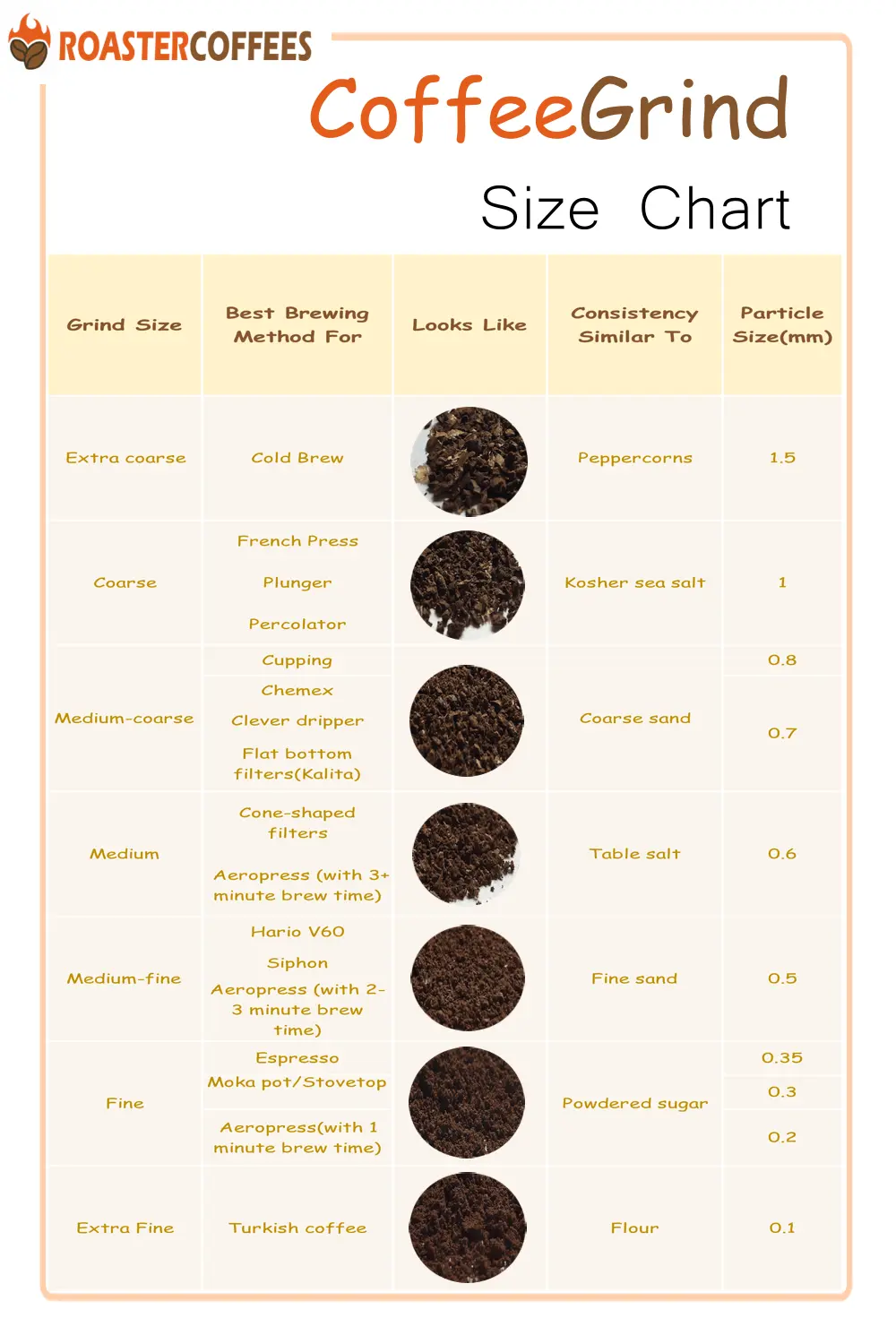 3. The Latte: Smooth, Creamy, and Milk-Forward The latte, short for "caffč latte" (Italian for "milk coffee"), is a beloved espresso-based drink that emphasizes the smooth, creamy texture of milk while still retaining the robust flavor of espresso. Unlike the cappuccino, which has equal proportions of espresso, milk, and foam, the latte is more milk-forward, making it a milder option for those who prefer less intensity from their espresso. 3.1. Key Ingredients of a Latte The goal is to achieve a slight amount of microfoam, but the milk should be velvety and fluid rather than frothy. The foam is more subdued compared to a cappuccino, giving the drink a more liquid texture. 3.2. The Ideal Latte Ratio A traditional latte has a higher ratio of milk to espresso compared to the cappuccino. The ideal latte is typically made up of: 1 part espresso 3 parts steamed milk 1 part milk foam (just a thin layer) This creates a smooth, creamy drink with a much milder espresso flavor than a cappuccino. The focus is more on the milk’s texture and sweetness, which can make the drink more approachable for those new to espresso. 3.3. Flavor Profile and Texture Lattes are known for their creamy, mellow flavor, which makes them a favorite for those who prefer a less intense coffee taste. The espresso is still present, but it’s more subtle, allowing the milk's natural sweetness to shine. The smooth texture of the steamed milk makes the drink luxurious and easy to sip, while the small amount of foam adds a delicate finish. Lattes are often served in larger cups (typically 8 to 12 ounces), allowing for a more extended sipping experience. This makes the latte a versatile drink that can be enjoyed throughout the day. 3.4. History of the Latte The latte has roots in Italy but differs slightly from its modern version. In Italy, the term "latte" simply refers to milk, so when ordering a "latte" in Italy, you would only get milk—no coffee. The modern latte, as we know it today, gained popularity in the United States in the 1980s, largely due to the rise of the specialty coffee movement. As espresso-based drinks gained traction in cafés across the U.S., the latte became a go-to for those looking for a milder coffee experience. 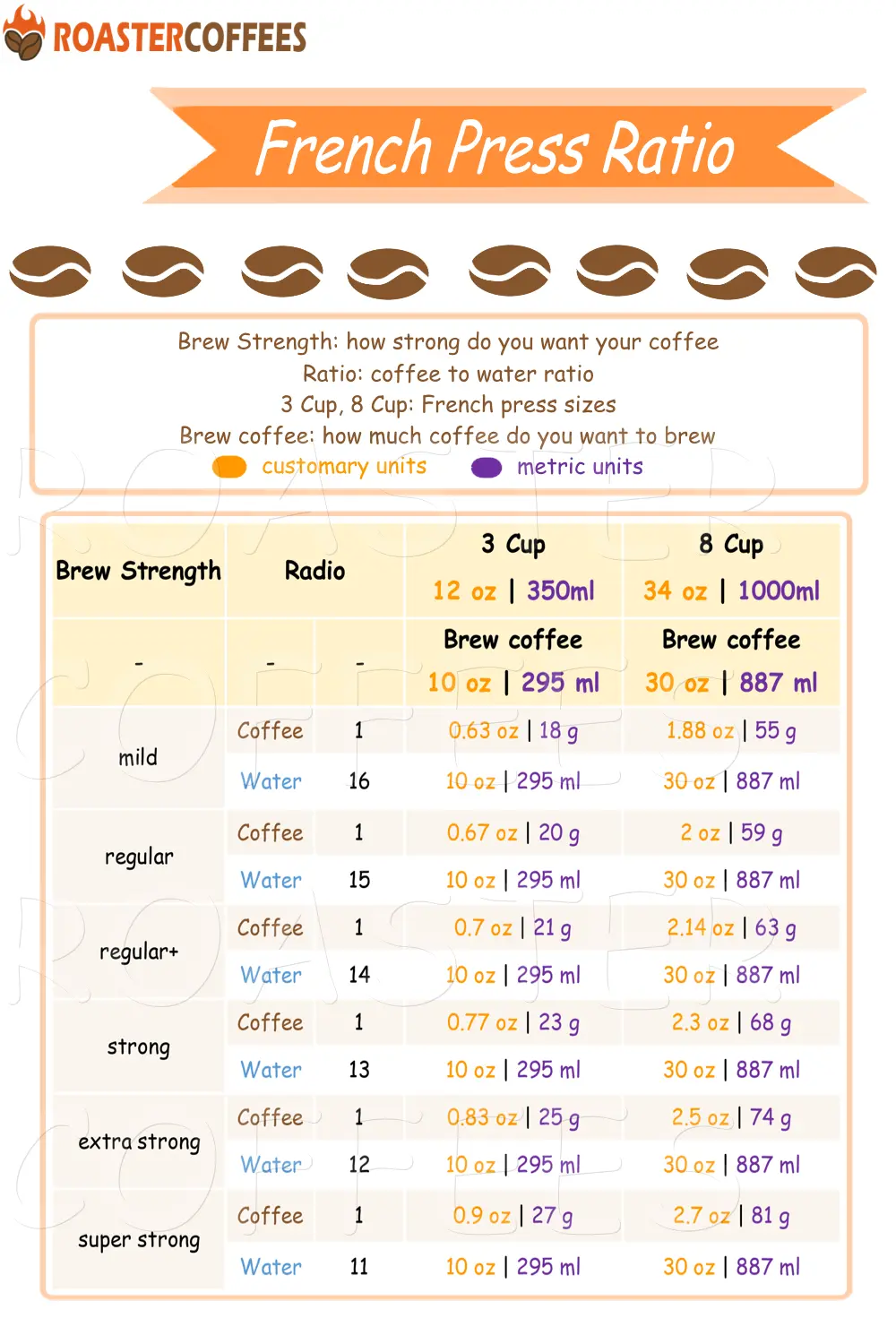 4. The Mocha: A Chocolatey Espresso Delight The mocha, or "mocha latte," is a decadent espresso-based drink that combines the rich flavor of espresso with the sweetness of chocolate and the creaminess of milk. It’s the perfect beverage for those who enjoy the combination of coffee and chocolate, offering a dessert-like experience that’s still grounded in the rich flavors of espresso. 4.1. Key Ingredients of a Mocha Espresso: A mocha typically contains one or two shots of espresso (1–2 ounces), depending on the strength desired. Steamed Milk: Like a latte, the mocha uses steamed milk to create a smooth, creamy base. Chocolate Syrup or Cocoa Powder: The defining feature of a mocha is the addition of chocolate. Either chocolate syrup, cocoa powder, or a combination of both is mixed with the espresso before the steamed milk is added, giving the drink its signature sweetness and rich flavor. Whipped Cream (optional): Many mochas are topped with whipped cream for an extra indulgent touch. This is an optional addition but is commonly found in many café-style mochas. When brewing coffee for Cappuccino, Mocha, and Latte, grind size is essential to achieving the perfect flavor and texture. All three drinks are espresso-based, meaning they start with a concentrated coffee shot extracted under high pressure. For this reason, the grind size should be fine - almost like table salt but not as powdery as Turkish coffee. A fine grind ensures that water passes through the coffee grounds with the right resistance, creating a rich, balanced espresso shot that forms the base for Cappuccino, Mocha, and Latte. The coffee grind size chart is a helpful reference for beginners and professionals alike, offering clear guidelines on the ideal particle size for various brewing methods. On this chart, espresso grind is typically indicated as a fine grind, sitting between medium and extra-fine. Using the correct grind size helps maintain the coffee’s aromatic oils and full flavor while avoiding over-extraction, which can cause bitterness, or under-extraction, which leaves it sour and weak. Whether you’re making a frothy Cappuccino, a chocolate-infused Mocha, or a smooth Latte, starting with the right grind is critical for quality. Always consult a coffee grind size chart when adjusting your grinder to ensure consistent and delicious espresso drinks every time! 4.2. The Ideal Mocha Ratio A traditional mocha has a similar base ratio to a latte, but with the addition of chocolate. The ideal mocha is typically made up of: 1–2 parts espresso 3 parts steamed milk 1–2 tablespoons of chocolate syrup or cocoa powder Optional whipped cream topping This creates a sweet, creamy coffee drink with a rich chocolate flavor that balances the bitterness of the espresso. 4.3. Flavor Profile and Texture The mocha is a perfect blend of coffee and chocolate, offering a rich, velvety drink that’s both indulgent and comforting. The chocolate syrup or cocoa powder adds sweetness and depth, while the espresso provides a strong coffee backbone. The steamed milk helps mellow the drink, making it smooth and creamy. The whipped cream, if included, adds a rich texture and sweetness to the top, making the mocha feel like a dessert in a cup. Mochas are typically served in 8 to 12-ounce cups, allowing for a satisfying and indulgent experience. 4.4. History of the Mocha The mocha's origins are somewhat mysterious, but its name comes from the Yemeni port city of Mocha, which was historically a center for coffee trade. The Mocha drink, as we know it today, began to take shape in the 20th century as coffee culture evolved, particularly with the rise of the specialty coffee movement in the United States. The combination of chocolate and coffee gained popularity as coffee shops began offering sweeter, dessert-like beverages to cater to a broader audience. 5. Conclusion: Which Drink is Right for You? Cappuccinos, mochas, and lattes all offer unique experiences, and your choice will depend on what you're looking for in a cup of coffee. Cappuccino: If you enjoy a bold, espresso-forward drink with a creamy texture and a thick foam topping, a cappuccino is your best bet. It’s ideal for those who appreciate a balanced, strong coffee flavor. Latte: For those who prefer a smoother, creamier drink with a more subdued espresso flavor, the latte is the way to go. It’s perfect for anyone who loves the taste of milk combined with a touch of espresso. Mocha: If you have a sweet tooth and love the combination of coffee and chocolate, the mocha will be your drink of choice. It’s rich, indulgent, and perfect as a dessert or treat. No matter which one you choose, each of these drinks is a reflection of the artistry and skill that goes into making a great cup of coffee. Understanding the differences between them allows you to appreciate the unique nuances of each beverage, ensuring you get the perfect cup every time. References: The Ultimate Guide To Essential Coffee Equipment: Everything You Need for the Perfect Brew Exploring The World Of Coffee Bean Varieties |

