18.04.2005., ponedjeljak
Nu 'vamo mala donesi knjigu!
Je, je navikli smo da se nu pozivom najčešće traži janjetina ili bokal vina. Ali, u budućnosti tako bismo mogli nukati i knjige.
Studenti dobro znaju kako je ponekad nemoguće pronaći knjigu koja im treba za ispit. Dotična se, npr., izdala prije 20-30 godina u 500 primjeraka i od onda – niks. Nije ni čudo, to je roba koja se preveć ne traži. Ali problem nastaje, naravno, kad se ista pojavi na nekom popisu fakultetske literature. Ondak oni najspretniji studenti iznjuškaju gdje se skrilo tih nekoliko dostupnih primjeraka, a ostali lagano izvise. I onda moli, kumi, nudi nagradu (ko da je knjiga Gotovina!), ma i gotovinu bi da, koliko god dotični traži samo da se dokopaš tih slova. Ako imaš sreće, uspjet ćeš od nekog (još većeg srećkovića) užicat knjigu na pola sata i umnožit je u najbližoj fotokopirnici ne mareći za sva moguća prava koja pritom gaziš. Dokopa si se knjige! To ti dođe ko da si, u najmanju ruku, osvojio nagradno putovanje u Japan.
No, da se ja vratim nukanju. U budućnosti, ako bude sreće, mogli bismo lipo doć u dućan, reć teti za pultom koju bismo mi knjigu i za 5 minuta – ola! – naša je.
Oklen mi sad to? Pročitajte u nastavku (ulomak intervjua s Umbertom Ecom, virtualni simpozij text-e).
Nije loše, ha?
Studenti dobro znaju kako je ponekad nemoguće pronaći knjigu koja im treba za ispit. Dotična se, npr., izdala prije 20-30 godina u 500 primjeraka i od onda – niks. Nije ni čudo, to je roba koja se preveć ne traži. Ali problem nastaje, naravno, kad se ista pojavi na nekom popisu fakultetske literature. Ondak oni najspretniji studenti iznjuškaju gdje se skrilo tih nekoliko dostupnih primjeraka, a ostali lagano izvise. I onda moli, kumi, nudi nagradu (ko da je knjiga Gotovina!), ma i gotovinu bi da, koliko god dotični traži samo da se dokopaš tih slova. Ako imaš sreće, uspjet ćeš od nekog (još većeg srećkovića) užicat knjigu na pola sata i umnožit je u najbližoj fotokopirnici ne mareći za sva moguća prava koja pritom gaziš. Dokopa si se knjige! To ti dođe ko da si, u najmanju ruku, osvojio nagradno putovanje u Japan.
No, da se ja vratim nukanju. U budućnosti, ako bude sreće, mogli bismo lipo doć u dućan, reć teti za pultom koju bismo mi knjigu i za 5 minuta – ola! – naša je.
Oklen mi sad to? Pročitajte u nastavku (ulomak intervjua s Umbertom Ecom, virtualni simpozij text-e).
... one technical possibility that was put forward at one point and that today is more controversial is that of print-on-demand machines. Jason Epstein argued in his contribution to text-e that this would be possible for certain kinds of books. What are your views about this prospect?
U. E.: I strongly believe in it. When Geoffrey Numberg, nearly ten years ago now, first told me about the Xerox project at Stanford, I immediately recognized the great possibilities of these machines. At the time it was only a question of money because a machine like that was very expensive and the possibility of receiving material online did not exist yet. What, then, would happen?
First, a book “printed on demand” is a real book: the difference is that, instead of coming off the printer’s press, it comes out of a computer. Second, it can be very “friendly” because if, for instance, I have eye problems I can ask the machine to print the book in larger or smaller type. Third, it allows for the recovery of out-of-print book; today if one wants a book, even a very good book, which was published thirty years ago, you’ll usually hear that it doesn’t exist anymore: the publisher hasn’t reprinted it because he knows that only about five hundred copies would be sold and that doesn’t suit him. Not only that, but there is a crazy law in many countries according to which the warehouse contents are taxed, so that if a publisher has a thousand books stocked there, each priced, say, € 1, he’ll be taxed for € 1000 even though in effect he’ll have lost, not made this money!
So: the print-on-demand machine would free publishers from the warehouse costs, it would give them the courage to take on new or avant-garde works, because they would not need to employ huge capitals to do so...
There are many reasons for which print-ondemand could be very positive, culturally and economically. I’ve said that I don’t prophesize, but if I had to make a science-fiction prophecy I would see a future bookshop that displays only the cover of the disk, just like in video stores, so you’d take that to the counter and request your printed copy. Maybe this is a little exaggerated, because the pleasure of the bookshop remains that of perusing the shelves, sniffing the book and so on. But a few pilot copies might suffice for the bookshop, even some printed-ondemand ones – so no printing press is required here either – and within five minutes the client would have the book.
My prediction is that Stephen King’s latest book would probably be printed because people would need to buy it in a hurry, like sandwiches, while if you wanted to read Thérese Desqueyroux by François Mauriac, which might be out-of-print, then you’d need to have it printed.
U. E.: I strongly believe in it. When Geoffrey Numberg, nearly ten years ago now, first told me about the Xerox project at Stanford, I immediately recognized the great possibilities of these machines. At the time it was only a question of money because a machine like that was very expensive and the possibility of receiving material online did not exist yet. What, then, would happen?
First, a book “printed on demand” is a real book: the difference is that, instead of coming off the printer’s press, it comes out of a computer. Second, it can be very “friendly” because if, for instance, I have eye problems I can ask the machine to print the book in larger or smaller type. Third, it allows for the recovery of out-of-print book; today if one wants a book, even a very good book, which was published thirty years ago, you’ll usually hear that it doesn’t exist anymore: the publisher hasn’t reprinted it because he knows that only about five hundred copies would be sold and that doesn’t suit him. Not only that, but there is a crazy law in many countries according to which the warehouse contents are taxed, so that if a publisher has a thousand books stocked there, each priced, say, € 1, he’ll be taxed for € 1000 even though in effect he’ll have lost, not made this money!
So: the print-on-demand machine would free publishers from the warehouse costs, it would give them the courage to take on new or avant-garde works, because they would not need to employ huge capitals to do so...
There are many reasons for which print-ondemand could be very positive, culturally and economically. I’ve said that I don’t prophesize, but if I had to make a science-fiction prophecy I would see a future bookshop that displays only the cover of the disk, just like in video stores, so you’d take that to the counter and request your printed copy. Maybe this is a little exaggerated, because the pleasure of the bookshop remains that of perusing the shelves, sniffing the book and so on. But a few pilot copies might suffice for the bookshop, even some printed-ondemand ones – so no printing press is required here either – and within five minutes the client would have the book.
My prediction is that Stephen King’s latest book would probably be printed because people would need to buy it in a hurry, like sandwiches, while if you wanted to read Thérese Desqueyroux by François Mauriac, which might be out-of-print, then you’d need to have it printed.
Nije loše, ha?
P.S.
18. travnja 1874. rođena je Ivana Brlić-Mažuranić.
Virtualne smjernice za njene najljepše priče pa tko ima volje...
Priče iz davnine [pdf] [html]
Čudnovate zgode šegrta Hlapića [pdf] [html]
Jaša Dalmatin potkralj Gudžerata [html]
Foto album Brlićevih (lijevi klik mišem, ne vodi vas na novu stranicu, obećajen!):
Kuća Brlićevih u Slavonskom Brodu
Ivana Brlić-Mažuranić 1
Ivana Brlić-Mažuranić 2
Ivana Brlić-Mažuranić 3
Kćer Zora u naručju
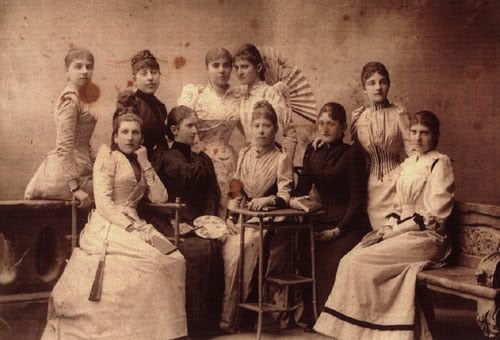
Francuski klub
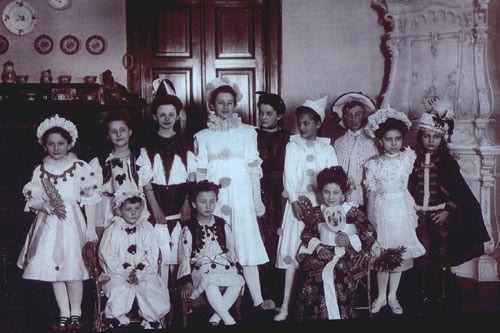
Igrokaz u kući Brlićevih
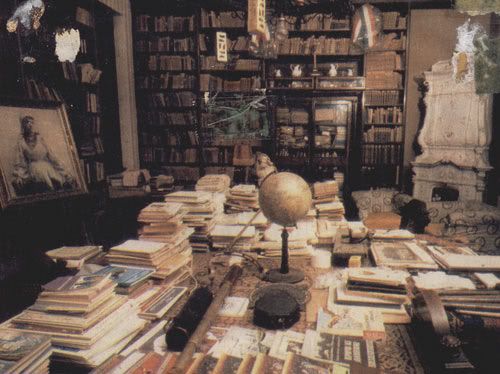
Knjižnica Brlićevih
Aleksandar Milčić i Zora Brlić - zaručeni
18. travnja 1874. rođena je Ivana Brlić-Mažuranić.
Virtualne smjernice za njene najljepše priče pa tko ima volje...
Priče iz davnine [pdf] [html]
Čudnovate zgode šegrta Hlapića [pdf] [html]
Jaša Dalmatin potkralj Gudžerata [html]
Foto album Brlićevih (lijevi klik mišem, ne vodi vas na novu stranicu, obećajen!):
Kuća Brlićevih u Slavonskom Brodu
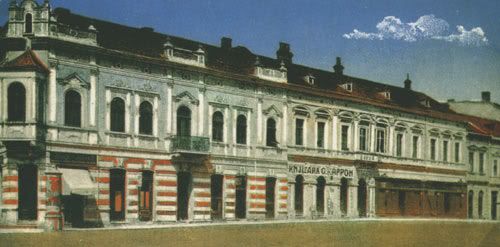
Ivana Brlić-Mažuranić 1
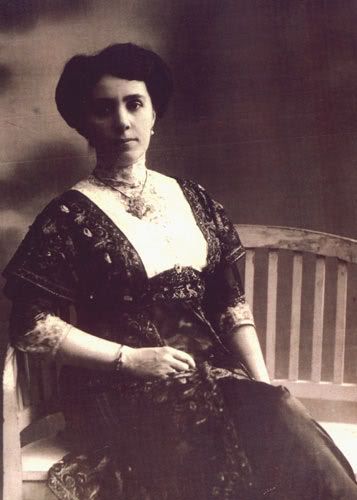
Ivana Brlić-Mažuranić 2
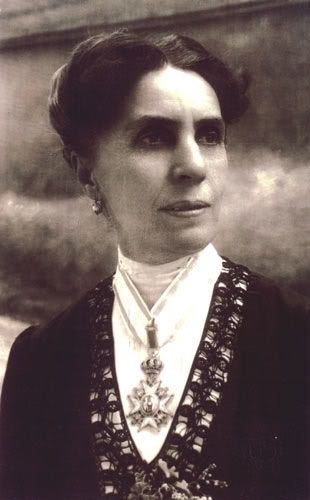
Ivana Brlić-Mažuranić 3
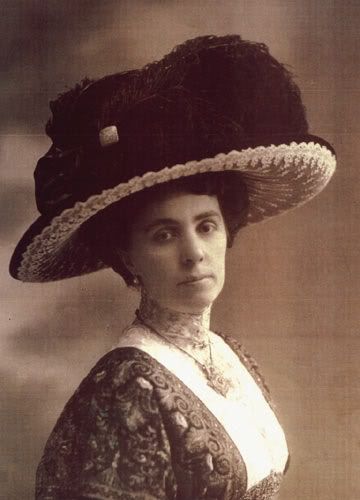
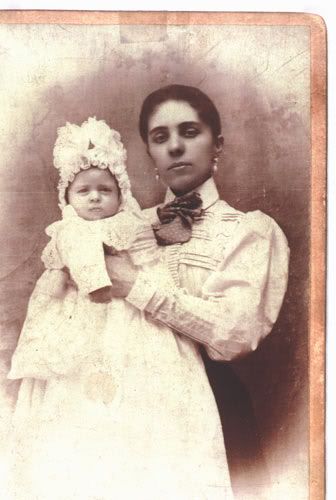
Kćer Zora u naručju
Francuski klub
Igrokaz u kući Brlićevih
Knjižnica Brlićevih
Aleksandar Milčić i Zora Brlić - zaručeni